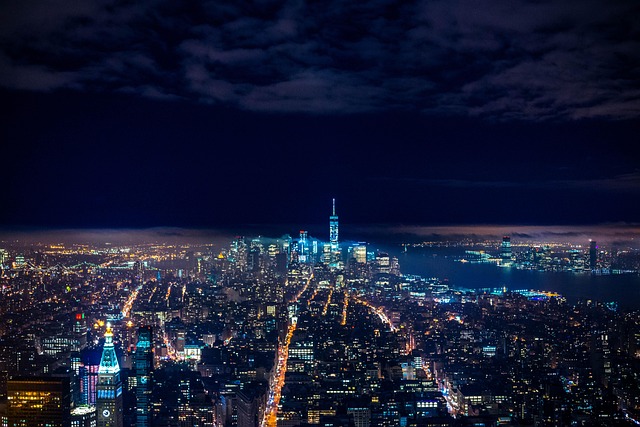
A surge in demand for urban living spaces driven by demographic shifts and remote work has transformed global real estate markets. Real estate professionals can capitalize on this trend by offering diverse housing options, adapting to innovation, and leveraging data analytics. Mixed-use developments blending residential, commercial, and recreational spaces are gaining popularity. Local governments and developers must collaborate on inclusive strategies to manage neighborhood changes long-term, enhancing infrastructure and services while fostering community bonds. Real estate naturally plays a key role in revitalizing urban cores and promoting economic vibrancy.
In recent years, the demand for central living has skyrocketed, reshaping urban landscapes and transforming real estate markets globally. This trend, driven by changing lifestyles and a desire for community, presents both opportunities and challenges. As cities grow, accommodating this demand in dense, vibrant centers requires innovative solutions to ensure livability and sustainability. This article delves into the factors fueling this surge, analyzes its impact on urban planning and real estate development, and explores cutting-edge strategies to meet this critical need, offering valuable insights for stakeholders navigating this dynamic market segment.
Understanding Demand Spikes in Urban Living Spaces (Real Estate Focus)
In recent years, there has been a notable surge in demand for urban living spaces, particularly in metropolitan areas across the globe. This trend, characterized by heightened interest and rapid price increases, presents both opportunities and challenges for real estate professionals. Understanding these demand spikes is crucial to navigating the dynamic market effectively.
Several factors contribute to this phenomenon. The allure of city centers with their vibrant cultures, job opportunities, and access to amenities drives individuals and families to seek residences in these highly sought-after locations. Furthermore, demographic shifts, including urbanization and a growing young professional population, exacerbate the demand for central living. As more people opt for urban lifestyles, real estate markets are naturally responding with higher prices and increased competition. For instance, major cities like New York, London, and Singapore have witnessed consistent growth in property values, attracting investors and buyers alike.
Real estate experts suggest that adapting to these trends requires a strategic approach. Developers and agents should focus on providing diverse housing options tailored to different budgets and lifestyles. This could involve mixed-use projects combining residential with commercial spaces or introducing more affordable housing choices within prime locations. By embracing innovation and flexibility, real estate professionals can cater to the evolving needs of urban dwellers, ensuring sustainability and accessibility in the face of rising demand. Additionally, leveraging data analytics for market insights will be vital to making informed decisions regarding pricing, positioning, and targeting specific demographics.
Analyzing Market Trends: Factors Behind Central Living Demand
The demand for central living has experienced a notable surge in recent years, with urban centers becoming hotspots for residents seeking convenient, vibrant, and connected lifestyles. This trend is not merely a fleeting fad but a significant shift influenced by various socio-economic factors and lifestyle preferences. Real estate naturally plays a pivotal role in catering to this growing demand, as central locations offer unparalleled access to employment hubs, cultural attractions, and top-tier amenities.
Market trends reveal several key drivers behind the popularity of central living. One prominent factor is the changing demographics of urban populations. Younger generations, often dubbed Gen Z and Millennials, are flocking to city centers in larger numbers. These individuals prioritize proximity to opportunities, whether it’s career paths, educational institutions, or entertainment hotspots. For instance, a 2021 report by the Urban Land Institute indicated that millennials account for a substantial 35% of urban homebuyers, driving the demand for mixed-use developments that blend residential, commercial, and recreational spaces.
Furthermore, the rise of remote work has significantly impacted housing preferences. With many professionals no longer tethered to specific offices, they seek locations offering flexible lifestyles and easy access to various services. Central living aligns perfectly with this new normal, as it allows residents to seamlessly blend their personal and professional lives. As a result, real estate developers are increasingly focusing on creating urban communities that cater to the needs of remote workers, featuring co-working spaces, shared amenities, and residential designs optimized for productivity.
To capitalize on this trend, real estate professionals should stay abreast of emerging market dynamics. This includes understanding local planning regulations, identifying areas with high development potential, and fostering partnerships with developers who specialize in creating mixed-use, transit-oriented communities. By staying ahead of the curve, industry experts can anticipate future demand, ensuring that central living offerings remain competitive and appealing to the evolving urban dwellers.
Navigating the Impact on Real Estate Markets and Neighborhoods
The recent surge in demand for central living has profoundly impacted real estate markets and neighborhoods worldwide. This trend, driven by changing lifestyles and urban preferences, has led to a reevaluation of urban spaces. As more people opt for compact, walkable communities with easy access to amenities, traditional suburban models are giving way to vibrant, mixed-use developments. Real estate naturally plays a pivotal role in this transformation, with developers and investors recognizing the potential for innovative designs that cater to dense populations.
One notable effect is the revitalization of urban cores. Previously underutilized areas are now experiencing renaissance as real estate projects incorporate residential, commercial, and recreational spaces, fostering thriving communities. For instance, reclaimed industrial sites have been transformed into mixed-use districts, attracting young professionals and families seeking convenient, sustainable living. This trend not only revitalizes landscapes but also encourages more efficient land use. However, it presents challenges such as increased property values and rent, which can displace long-time residents. To mitigate these effects, real estate stakeholders must prioritize inclusive development strategies that balance economic vibrancy with affordable housing options.
Neighborhood dynamics are also evolving. Central living fosters stronger community ties as residents share close proximity and access to shared spaces. This shift encourages a sense of place and belonging, encouraging local businesses and cultural initiatives. Nevertheless, sudden changes can lead to social and infrastructural strain if not managed thoughtfully. Local governments and developers must collaborate to enhance public infrastructure, ensure adequate services, and promote inclusive participation in community decision-making. By integrating green spaces, improving transportation networks, and supporting local enterprises, real estate projects can contribute to the long-term health and resilience of these neighborhoods.