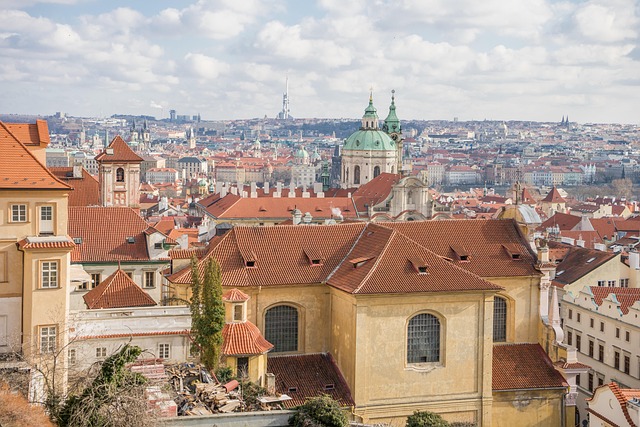
Real estate professionals can drive growth by understanding residential expansion patterns, leveraging market trends for commercial developments, and integrating residential and commercial spaces through strategic urban planning. Key insights include the impact of birth rates, job opportunities, and affordable living on housing demand, as well as the rise of mixed-use developments and gentrification in emerging neighborhoods. Practical strategies involve data analytics, market studies, flexible zoning, and partnerships with local authorities to ensure sustainable growth and competitive advantages for developers.
The symbiotic relationship between residential growth and commercial expansion is a critical aspect of urban development. As communities thrive and populations grow, the demand for retail, office, and industrial spaces naturally follows suit. However, managing this transition responsibly presents significant challenges. Unplanned commercial expansions can lead to urban sprawl, exacerbating traffic congestion and environmental degradation. To address these issues, real estate professionals must adopt strategic approaches that promote sustainable development, preserve green spaces, and optimize land use. In this authoritative article, we delve into the intricacies of harmonizing residential growth with commercial expansion, offering insights that contribute to robust and livable communities.
Identifying Patterns: Tracking Residential Growth in Real Estate
In the dynamic landscape of real estate, understanding the intricate relationship between commercial expansions and residential growth is paramount for investors and developers alike. Identifying patterns in residential expansion provides a roadmap for strategic decision-making, allowing professionals to anticipate market trends and capitalize on emerging opportunities. The correlation between housing development and subsequent commercial growth is well-documented; areas experiencing robust residential growth often attract businesses seeking to tap into a thriving population base. By tracking these patterns, real estate experts can predict the evolution of urban centers and suburban communities, enabling them to make informed choices regarding property acquisitions, developments, and investments.
One of the most effective methods for gauging residential growth involves analyzing demographic data. According to recent studies, areas with high birth rates, young populations, and increasing employment opportunities often exhibit rapid housing development. For instance, tech hubs like Silicon Valley have witnessed exponential growth in residential real estate as young professionals are drawn to the region’s thriving job market. Similarly, suburban towns that offer affordable living and excellent schools frequently experience a influx of families, leading to new construction and commercial developments catering to their needs. Real estate investors can leverage these insights by identifying such areas early on, securing properties at competitive prices, and positioning themselves strategically for future growth.
Moreover, tracking residential growth through market trends and consumer behavior patterns provides valuable intelligence. As housing prices rise in popular neighborhoods, it signals a demand for adjacent commercial spaces, particularly retail and service-oriented businesses. For example, the surge of high-rise apartments in urban centers has been accompanied by a boom in boutique restaurants, cafes, and pop-up stores within walking distance, catering to the needs and preferences of residents. Real estate professionals can use these patterns to identify undervalued areas with high growth potential, fostering strategic planning for mixed-use developments that seamlessly blend residential and commercial spaces. By staying attuned to these dynamics, real estate naturally becomes a powerful driver of urban transformation and economic prosperity.
Strategies for Commercial Expansion Based on Housing Trends
As residential growth patterns evolve, cities are witnessing a notable shift in demand for commercial spaces. The expansion of suburban areas and changing lifestyles have significantly impacted real estate trends, creating new opportunities for businesses to thrive. Understanding these housing trends is crucial for strategizing effective commercial expansions. For instance, the rise of mixed-use developments, where residential and commercial spaces merge, has become a prominent feature in urban planning. This integration not only caters to the growing demand for walkable neighborhoods but also provides seamless access to amenities, fostering a vibrant business ecosystem.
Expert analysts suggest that real estate developers and investors should focus on location intelligence to capitalize on these trends. Identifying areas with high residential growth potential allows for strategic positioning of commercial ventures. For example, regions experiencing gentrification often witness a surge in population, leading to increased demand for nearby retail and service establishments. Staying ahead of such shifts enables businesses to establish a strong presence before competitors catch up. Moreover, leveraging data analytics can help predict future market demands, ensuring that expansions are well-timed and aligned with evolving consumer behaviors.
Practical advice for implementing these strategies includes conducting thorough market studies to identify underserved sectors within growing residential communities. Adapting business models to cater to the unique needs of these areas can set companies apart. For instance, developing specialty retail hubs in emerging neighborhoods attracts both locals and visitors, fostering economic growth. Additionally, forming partnerships with local authorities and developers ensures that commercial expansions contribute positively to the community’s overall development, creating a sustainable and thriving environment for businesses and residents alike.
Integrating Urban Planning: Seamless Transition from Homes to Businesses
As residential areas grow and urbanize, the seamless transition to commercial spaces becomes paramount for sustainable city development. Urban planning plays a pivotal role in integrating homes and businesses, ensuring a balanced and functional metropolis. This harmonious blend is particularly crucial in real estate, where land use decisions have profound implications on community dynamics and economic vitality. For instance, cities like Seattle and Berlin have successfully implemented mixed-use developments, combining residential, commercial, and retail spaces within walkable neighborhoods.
Expert planners emphasize the importance of pedestrian-friendly infrastructure, efficient transportation networks, and shared public spaces to foster connections between homes and workplaces. This approach not only reduces commuting times but also encourages a vibrant sense of community. For example, the revival of downtown areas in many cities, through strategic real estate development, has brought about thriving business hubs with easy access to residential neighborhoods. Such integration promotes walkability, cycling, and public transit usage, contributing to healthier living environments and reduced carbon footprints.
Practical considerations include engaging stakeholders early in the planning process, ensuring community buy-in, and adopting flexible zoning ordinances. Cities like Tokyo have successfully navigated dense urban landscapes by incorporating green spaces and parks within mixed-use developments, providing residents with recreational areas and promoting a sense of tranquility amidst the hustle and bustle. By prioritizing pedestrian experiences and thoughtful land use, urban planners can create vibrant, sustainable communities where residential growth naturally flows into prosperous commercial hubs.