Gentrification significantly impacts urban real estate markets by driving rapid property value appreciation through increased demand from affluent residents and neighborhood revitalizations. While it offers revitalization benefits, it poses displacement risks to long-time, lower-income residents due to higher taxes and rent. To mitigate these effects, urban planners can implement inclusive zoning for mixed-income developments and invest in infrastructure. Successful examples like Chicago demonstrate sustainable, equitable real estate growth through thoughtful planning.
Gentrification, a process that transforms urban neighborhoods, has garnered significant attention due to its profound impact on communities and real estate markets. The rapid appreciation of property values, often accompanied by an influx of new residents, presents both opportunities and challenges. While it revives areas, it can displace long-time inhabitants and disrupt the delicate balance of diverse communities. This article delves into the mechanisms behind gentrification’s swift value rise in real estate, examines its social implications, and offers insights into potential solutions to ensure equitable community development.
Gentrification's Impact on Real Estate Values
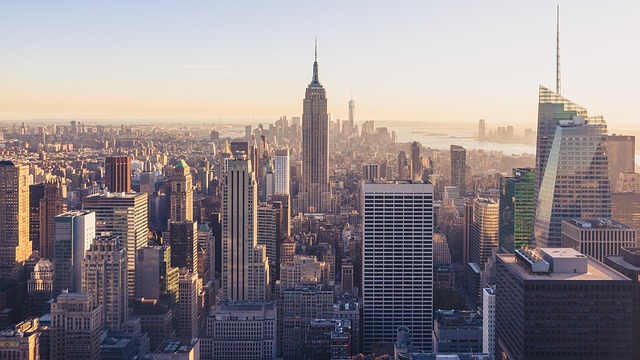
Gentrification has a profound impact on real estate values, often leading to a rapid appreciation of properties in previously undervalued areas. This dynamic process begins with an influx of new residents seeking affordable housing, which drives up demand. As these areas become more desirable, developers and investors follow suit, triggering a chain reaction of increased construction activity and further boosting property values. For instance, cities like New York and San Francisco have witnessed substantial gentrification, resulting in some neighborhoods seeing property value increases of over 50% within a few years.
The effects are multifaceted, benefiting both existing residents and the broader real estate market. Older properties, once considered outdated or neglected, can be revitalized and transformed into modern, high-demand residences. This process not only enhances the aesthetic appeal of neighborhoods but also improves infrastructure and community amenities. However, it’s essential to acknowledge the potential downsides. Long-time residents may struggle with affording higher property taxes and rent, leading to displacement. This phenomenon, known as “gentrification pressure,” requires careful navigation to ensure equitable development and preserve the social fabric of communities.
Real estate professionals play a crucial role in navigating these dynamics. They must stay abreast of market trends, anticipate gentrification hotspots, and offer strategic advice to clients. Actions like early investment in undervalued properties or negotiating fair purchases for at-risk residents can foster inclusive growth. Moreover, developers should embrace sustainable practices that respect local identities while contributing to the overall vibrancy of the area. By embracing these strategies, the real estate industry can capitalize on gentrification’s potential while mitigating its adverse effects, ultimately creating more equitable and thriving communities.
Understanding Quick Value Appreciation
Gentrification is a complex process that significantly impacts urban real estate markets, often leading to rapid property value appreciation. This phenomenon, characterized by the influx of affluent residents and improved infrastructure, creates a positive feedback loop that drives up prices. As more desirable neighborhoods emerge or undergo renovation, investors and homebuyers are drawn to these areas, pushing up demand and, consequently, property values. For instance, in cities like New York and San Francisco, gentrified districts have seen double-digit increases in real estate values over the past decade.
The speed of this value appreciation is a notable aspect often studied by urban planners and real estate professionals. Several factors contribute to this dynamic. Firstly, the influx of new residents brings increased demand for housing, outpacing supply, especially in areas with limited land availability. This imbalance drives up prices as sellers recognize the market’s strength. Secondly, gentrification often revitalizes neighborhoods, leading to improved amenities, better schools, and enhanced safety—all factors that make an area more attractive to potential buyers or renters. These improvements can quickly increase a property’s desirability and value.
However, rapid property appreciation also raises concerns about displacement and inequality. Long-time residents, often from lower-income backgrounds, may struggle to afford the rising costs of living. To mitigate these issues, urban policies should focus on inclusive development strategies that ensure affordable housing options are available alongside market-rate properties. By carefully managing gentrification’s impact through thoughtful planning and policy interventions, cities can foster a vibrant, diverse, and equitable urban environment while realizing the economic benefits of real estate appreciation.
The Dynamics of Urban Property Markets

Gentrification significantly impacts urban property markets, leading to a rapid ascent of real estate values. This dynamic is largely driven by the influx of affluent residents seeking desirable neighborhoods, which puts upward pressure on property prices. As these new inhabitants arrive, they transform local economies and amenities, further enhancing the area’s desirability. For instance, in cities like New York and San Francisco, gentrification has resulted in historic increases in real estate values, with some properties doubling or even tripling their value within a decade.
The process begins with early adopters—typically young professionals or artists—who are attracted by affordable rents and a thriving local culture. As these individuals settle and invest in the area, they spark a chain reaction. Long-time residents may choose to sell, anticipating higher returns, while new businesses cater to the changing demographics, driving further investment. This positive feedback loop intensifies market pressure, leading to rapid appreciation. However, this dynamic also presents challenges, such as displacement of original inhabitants due to rising costs.
To mitigate these effects, urban planners and policymakers can implement strategic interventions. One effective approach is inclusive zoning that encourages mixed-income developments, ensuring a balance between affording housing for all residents. Additionally, investing in infrastructure and community amenities can attract a diverse range of buyers, slowing down rapid gentrification. For instance, cities like Chicago have successfully implemented affordable housing initiatives alongside urban renewal projects to foster more equitable growth. By carefully managing real estate dynamics, urban areas can preserve their character while ensuring sustainable property value appreciation.