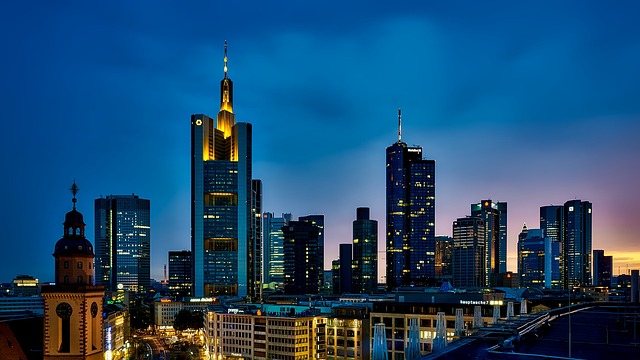
Urban migration trends favor downtown cores, driven by young professionals aged 25-34 seeking economic and lifestyle advantages. Real estate naturally plays a pivotal role in this shift by developing mixed-use spaces that blend residential, commercial, and recreational areas. Strategies include green infrastructure, walkability, bike-friendliness, smart technology, and strategic partnerships. Developers can capitalize on this trend by creating inclusive, sustainable communities catering to diverse migrant needs, such as transit-oriented developments (TODs) with co-working spaces and community gardens, enhancing urban core vitality.
As urban landscapes evolve, observing migration toward downtown cores has emerged as a critical aspect of understanding contemporary urban dynamics. The resurgence of city centers reflects broader trends in lifestyle preferences, economic opportunities, and access to amenities. However, this shift presents challenges for real estate naturally, from accommodating increased demand to preserving the unique character of these vibrant hubs. This article delves into the factors driving this migration, examines its implications for urban planning and development, and offers insights into sustainable strategies that can shape the future of downtown cores.
Analyzing Urban Trends: Uncovering Migration Patterns
As urban landscapes evolve, one consistent trend emerges: a migration toward downtown cores. This phenomenon is not merely a shift in population but a strategic move driven by economic, social, and cultural factors. Analyzing these migration patterns offers valuable insights for both urban planners and real estate professionals. By understanding where people are moving, developers can strategically invest in areas that will see significant growth.
For instance, a study by the Urban Institute revealed that young professionals, particularly those aged 25-34, are increasingly choosing to live in walkable downtowns. This trend is evident in major cities across the globe, from Berlin to Tokyo. The allure of urban living, with its proximity to jobs, cultural attractions, and public transportation, has led to a surge in demand for mixed-use developments. Real estate naturally plays a pivotal role in catering to these preferences by creating vibrant neighborhoods that attract and retain talent.
However, migration patterns are not uniform. Socioeconomic factors significantly influence where individuals choose to live. According to the U.S. Census Bureau, low-income households often exhibit a preference for suburban areas with affordable housing options. Conversely, high-income earners show a tendency towards urban centers due to easier access to job opportunities and high-end amenities. Planners and developers must consider these variations to create inclusive and sustainable communities that cater to diverse needs. By understanding migration trends, real estate professionals can anticipate market shifts, invest in the right areas, and contribute to the development of dynamic urban cores.
The Rise of Downtown Cores: Real Estate's New Frontier
The resurgence of downtown cores is a significant trend reshaping real estate landscapes globally. This phenomenon, driven by evolving urban dynamics and changing consumer preferences, sees cities revitalizing their central business districts (CBDs) to attract residents, workers, and investors. The appeal of these vibrant hubs lies in their ability to foster community engagement, promote sustainable living, and offer unparalleled access to amenities—all within a compact, walkable environment. This shift represents real estate’s new frontier, presenting both opportunities and challenges for developers, urban planners, and investors alike.
Historically, the growth of suburbs and the rise of commerce online have led to a decline in city centers. However, recent studies indicate a striking reversal. According to global real estate firm JLL, urban areas experienced a 10% increase in population between 2015 and 2020, with many residents choosing to live within city limits. This trend is particularly evident in North America and Europe, where downtown cores are undergoing transformative renovations. For instance, the revival of Detroit’s Midtown district, once blighted by urban decay, has attracted a wave of startups, restaurants, and residential towers, symbolizing the potential for sustainable urban renewal.
Real estate developers play a pivotal role in this migration. They must adapt to the evolving needs of modern city dwellers, focusing on creating mixed-use developments that seamlessly blend residential, commercial, and recreational spaces. Implementing green infrastructure, promoting walkability and bike-friendliness, and integrating smart technology are also essential for attracting tech-savvy millennials and Gen Z populations. Moreover, strategic partnerships with local governments and community organizations can ensure that development projects align with the goals of urban renewal and social equity. By embracing these principles, real estate professionals can capitalize on the burgeoning demand for downtown living, fostering dynamic city cores that thrive into the future.
Strategies for Developers: Embracing Migrant Trends
The urban migration trends toward downtown cores present a significant opportunity for developers to strategize and capitalize on this shifting dynamic. With an increasing number of individuals and families choosing city centers over suburban areas, real estate naturally becomes a focal point as these vibrant hubs experience rapid growth. Developers who embrace this migrant trend can not only cater to the rising demand for urban living but also play a pivotal role in shaping sustainable and thriving communities.
One key strategy involves understanding the diverse needs of migrants. Whether they are young professionals seeking career opportunities, families drawn to better schools, or individuals looking for affordable housing, developers must design and build with this diversity in mind. For instance, creating mixed-use developments that offer a blend of residential, commercial, and retail spaces can cater to various demographics, fostering inclusive communities. Moreover, incorporating amenities such as co-working spaces, community gardens, and accessible public transportation enhances the appeal for different migrant groups.
Data suggests that cities with well-planned, walkable neighborhoods experience higher rates of retention among migrants. Developers can contribute to this trend by focusing on creating walkable, transit-oriented developments (TODs). TODs encourage a reduced reliance on private vehicles, promote active transportation, and foster social connections within the community. For example, a successful TOD might include high-rise apartments located adjacent to a major transit hub, with easy access to local shops, parks, and cultural attractions, all within a short distance from one another. This strategy not only aligns with sustainable urban development principles but also provides migrants with convenient, efficient, and enjoyable living environments.