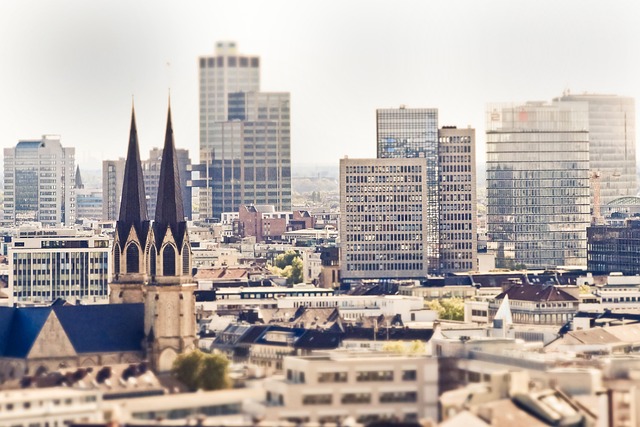
A significant migration trend towards downtown cores is reshaping urban landscapes, driven by flexible work arrangements, vibrant amenities, and improved infrastructure. Real estate professionals must adapt strategies to capitalize on this shift, focusing on diverse housing options, mixed-income neighborhoods, and sustainable technologies. This trend presents an opportunity to create inclusive, economically diverse hubs, with key cities like New York, Chicago, Seattle, Copenhagen, and Amsterdam leading the way in urban development.
As cities continue to grow and evolve, the migration toward downtown cores has become a significant trend shaping urban landscapes. This phenomenon, driven by factors like vibrant cultural offerings, job opportunities, and walkable amenities, presents both opportunities and challenges for real estate developers and urban planners. The problem lies in effectively managing this influx while preserving the core’s historical character and ensuring equitable access to these desirable locations. In this authoritative piece, we delve into strategies that harness the potential of downtown migration, offering valuable insights for creating sustainable, thriving urban hubs.
Analyzing Urban Trends: Migration Patterns Unveiled
The urban landscape is undergoing a significant transformation, with a notable trend of migration towards downtown cores. This phenomenon is not merely a geographical shift; it reveals deeper societal and economic shifts, with profound implications for real estate and urban planning. Analyzing these migration patterns provides valuable insights into the future of our cities. Recent data from various metropolises shows a consistent trend where younger professionals, families, and retirees are moving back into city centers, revitalizing urban areas that had experienced decline. For instance, cities like New York, Chicago, and Seattle have witnessed a surge in downtown residential populations, reversing a decades-long trend of suburbanization.
This migration is driven by a multitude of factors. The rise of remote work has eliminated the need for a long commute, making urban living more appealing. Additionally, downtown areas are benefiting from revitalized real estate markets, offering a mix of modern amenities, cultural attractions, and a vibrant lifestyle that caters to diverse demographics. As cities invest in public transportation, green spaces, and community infrastructure, these urban cores become increasingly attractive and functional. This shift presents a unique opportunity for developers and urban planners to redesign and redefine downtown spaces to meet the changing needs of residents.
To capitalize on this trend, real estate professionals and urban planners must adapt their strategies. This includes rethinking the design of urban properties to accommodate a mix of housing options, from high-rise apartments to mixed-use developments that blend residential, commercial, and recreational spaces. Encouraging mixed-income neighborhoods can foster a sense of community and reduce gentrification pressures. By embracing sustainable and smart city technologies, urban areas can become more livable and resilient. This migration toward downtown cores offers a chance to create more inclusive, vibrant, and economically diverse urban hubs, shaping the future of our cities in meaningful ways.
Understanding Downtown Cores: Real Estate's Beacon
Downtown cores have emerged as magnets for migration, driving significant shifts in real estate dynamics across major cities globally. This phenomenon is not merely a trend but a strategic move by individuals, businesses, and investors recognizing the unique advantages offered by these urban hubs. The concept of downtown cores, often characterized by dense populations, vibrant culture, and robust infrastructure, has evolved to become the epicenter of economic growth and community engagement.
The allure of downtown cores lies in their ability to foster innovation and creativity. These areas are naturally where diverse sectors converge, leading to a rich exchange of ideas and talent. For instance, tech startups often gravitate towards core districts due to access to highly skilled professionals and vibrant networking scenes, while creative industries thrive on the energy generated by close proximity to peers. Real estate developers play a pivotal role in catering to this demand by designing mixed-use properties that seamlessly blend residential, commercial, and retail spaces, thereby encouraging foot traffic and fostering a sense of community.
Moreover, sustainable urban development is intricately linked to downtown cores’ success. Efficient transportation networks, cycling infrastructure, and walkability encourage reduced car reliance, contributing to lower carbon emissions. Cities like Copenhagen and Amsterdam, renowned for their vibrant downtown cores, have successfully implemented policies promoting dense, mixed-use development while prioritizing public transit and active transport options. This approach not only enhances the quality of life for residents but also attracts businesses seeking to position themselves in environmentally conscious locations. By embracing these trends, real estate professionals can anticipate future market demands, ensuring their investments remain relevant and lucrative in the dynamic urban landscape.
Strategies for Capitalizing on Migrant Preferences
The migration towards downtown cores is a significant trend shaping urban landscapes globally. Driven by evolving lifestyle preferences, remote work opportunities, and access to amenities, individuals are increasingly flocking to city centers. This shift presents a unique opportunity for real estate professionals to capitalize on migrant preferences and forge successful strategies. Understanding the motivations behind this trend is pivotal in designing and marketing appealing urban properties.
One key insight reveals that migrants often seek vibrant communities with easy access to diverse offerings—from cultural events and restaurants to fitness facilities and green spaces. Real estate developers can naturally align their projects by incorporating these amenities into mixed-use developments, ensuring a holistic appeal to the modern urban dweller. For instance, integrating co-working spaces within residential buildings caters to remote workers, while rooftop gardens and community centers foster a sense of belonging and connection. Data from recent studies indicates that properties with well-curated lifestyle features command premium prices and experience higher occupancy rates.
Furthermore, leveraging technology to cater to the digital nomad community is a savvy move. High-speed internet connectivity, smart home systems, and seamless online leasing processes are becoming expectations rather than perks. Expert recommendations suggest creating digital-first marketing campaigns that highlight these modern conveniences. By adapting to the evolving needs of migrants, real estate professionals can stay ahead in a competitive market, ensuring their offerings remain desirable and relevant.