Recent global demand for central urban locations reshapes real estate, driven by millennials' preference for convenience and community, tech advancements, and walkable neighborhoods. Data shows centrally located properties outperform suburban alternatives in major cities. Real estate professionals must adapt with mixed-use concepts, prioritize green spaces, enhance transportation, and leverage technology. Strategies include data-driven insights, technological marketing, mixed-use developments, and local collaboration to cater to modern urban dwellers' needs and capitalize on growing demand for central living.
In recent years, a significant shift in urban living preferences has emerged, with demand soaring for central residential spaces. This trend poses unique challenges for real estate professionals, as cities grapple with limited land availability and escalating property values. The need for efficient, sustainable, and accessible urban housing is more pressing than ever. This article delves into the factors driving this demand spike, examines its implications on the real estate sector, and presents innovative solutions to cater to this evolving market requirement. By exploring these dynamics, we aim to provide valuable insights to stakeholders, guiding them in navigating this transformative period.
Understanding Demand Spikes in Urban Living
In recent years, a notable trend has emerged in urban living—demand for central locations has experienced significant spikes. This phenomenon is reshaping real estate landscapes across major cities globally. Understanding these demand spikes is crucial for both residents seeking optimal lifestyles and developers aiming to create sustainable, vibrant communities. The surge in interest can be attributed to several factors, including changing demographics, technological advancements, and a growing appreciation for walkable, integrated neighborhoods. For instance, millennials, who constitute a substantial portion of urban dwellers, prioritize convenience and community engagement, driving the desire for central living.
Data from leading real estate agencies underscores this trend. In major metropolitan areas like New York, London, and Tokyo, sales and rental figures for centrally located properties have consistently outperformed their suburban counterparts over the last decade. This isn’t merely a fleeting fad; it reflects a fundamental shift in urban preferences. Experts attribute this to the convenience of having amenities within reach, reducing commute times, and fostering a stronger sense of community. As cities become more congested and environmentally conscious, central living offers a compelling alternative that aligns with sustainable urban planning principles.
To meet this demand effectively, real estate professionals must adapt their strategies. This involves reevaluating property development plans to incorporate mixed-use concepts, prioritize green spaces within urban centers, and enhance transportation infrastructure. Additionally, leveraging technology to offer virtual tours and online leasing platforms can broaden accessibility for potential tenants and buyers. By embracing these changes, the real estate sector can not only capitalize on the growing demand for central living but also contribute to creating more livable, integrated urban environments that cater to diverse lifestyles.
The Real Estate Impact: Central Living's Rise
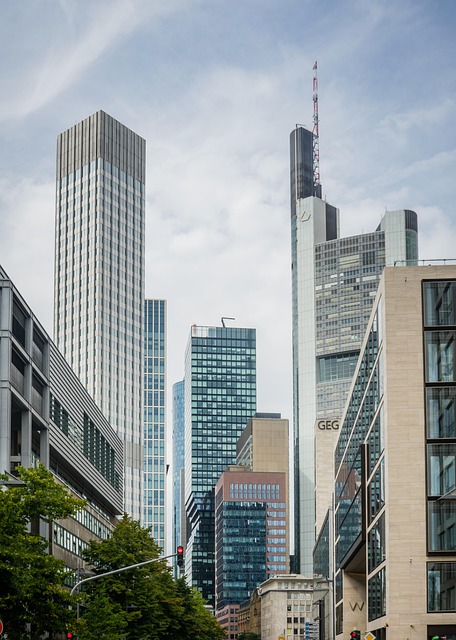
The recent surge in demand for central living has significantly reshaped the real estate landscape. This trend, driven by changing lifestyle preferences and urban development dynamics, is transforming metropolitan areas globally. The allure of convenient, integrated communities has prompted a substantial shift towards centralized neighborhoods, with repercussions felt across the industry. Real estate professionals are witnessing a stark rise in the desirability of urban centers, particularly those offering easy access to essential amenities, robust transportation networks, and a thriving cultural scene.
This shift has led to dynamic market conditions. In densely populated cities, developers are scrambling to meet the demand for residential properties within walking distance of key hubs. As a result, construction projects boasting mixed-use developments with residential units adjacent to commercial spaces and recreational facilities are on the rise. For instance, in major urban centers like New York and London, historic buildings are being converted into luxury apartments, blending historical charm with modern amenities, while also setting new standards for pricing in these exclusive areas.
Real estate investors and developers alike must adapt to this evolving trend. Strategizing around central living involves careful consideration of location, community design, and the integration of smart technologies. By embracing innovative solutions and prioritizing sustainability, professionals can create spaces that cater to the needs of modern urban dwellers. Understanding local market dynamics and staying attuned to changing consumer preferences will be key to capitalizing on this demand spike and ensuring long-term success in a competitive central living market.
Strategies for Navigating High-Demand Markets
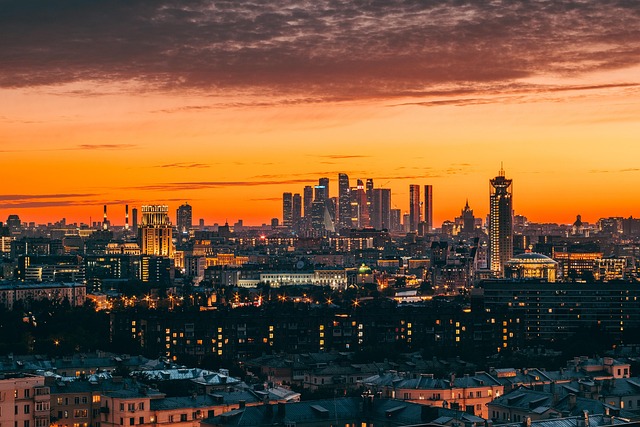
Navigating high-demand real estate markets requires a strategic approach to ensure successful outcomes for both developers and buyers. As urban populations grow, demand for central living spaces surges, putting pressure on limited resources. This surge isn’t just a local phenomenon; global trends indicate a consistent rise in urbanisation, further intensifying competition for prime locations. To thrive in this environment, stakeholders must adopt innovative strategies that cater to evolving consumer needs and preferences.
One key strategy involves understanding the market’s nuances through data-driven insights. Analyzing demographic shifts, employment trends, and infrastructure developments allows developers to identify areas with high growth potential. For instance, focusing on proximity to transit hubs or emerging tech hubs can attract a substantial and diverse tenant base. Moreover, leveraging technology in marketing and property management enhances efficiency. Virtual tours, online leasing platforms, and smart home integrations cater to modern buyers’ digital expectations.
Another effective approach is creating mixed-use developments that blend residential, commercial, and recreational spaces. This integrated design not only offers a vibrant lifestyle but also diversifies revenue streams. Consider successful examples like Amsterdam’s De Pijp neighborhood, known for its bustling cafes, boutique shops, and contemporary apartments. Such multifaceted communities cater to a wide range of residents, fostering a thriving urban environment. Developers should aim to collaborate with local businesses and community leaders to ensure these projects align with the area’s unique character and needs.