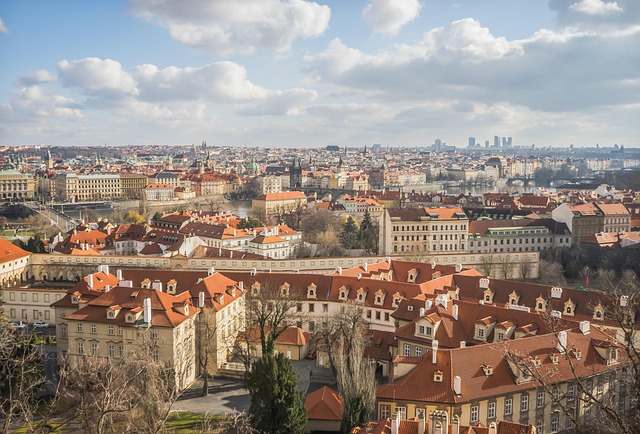
Urban migration towards downtown cores, driven by economic, social, and tech factors, presents significant opportunities for real estate naturally. High-density residential projects, revitalized public spaces, and mixed-use developments cater to diverse populations seeking convenience, safety, and access to amenities. Key insights include prioritizing collaborative planning, integrating green infrastructure, promoting energy efficiency, ensuring equitable access, and leveraging technology for smart city initiatives. Sustainability, particularly among younger demographics, is crucial, emphasizing eco-friendly buildings and accessible public transport. Adopting these trends creates vibrant, resilient urban centers while maintaining real estate naturally competitiveness in the evolving market.
The shift towards urban centers has become a defining trend of the 21st century, with migration to downtown cores outpacing suburban growth. This phenomenon presents both opportunities and challenges for real estate markets. As cities grapple with congestion, housing affordability, and infrastructure strain, understanding this migration is crucial for informed decision-making. Our article delves into the drivers behind this trend, examining demographic changes, economic factors, and urban planning strategies that are reshaping city landscapes. By providing a comprehensive overview, we aim to offer valuable insights for developers, policymakers, and investors navigating these dynamic downtown cores.
Analyzing Urban Trends: Migration Patterns Unveiled
The phenomenon of urban migration is reshaping downtown cores across the globe, offering both challenges and opportunities for cities and their real estate markets. Analyzing these migration patterns provides valuable insights into the evolving urban landscape. Recent trends indicate a pronounced shift towards city centers, with younger demographics, remote workers, and tech startups leading the charge. This phenomenon, often dubbed the “urban renaissance,” is not merely a fleeting trend but a structural change driven by economic, social, and technological factors.
Cities like New York, London, and Berlin have experienced substantial population growth in their central districts. According to a 2022 study, urban migration has accelerated post-pandemic, with remote work enabling individuals to relocate without the usual constraints of proximity to offices. This shift has profound implications for real estate development, leading to a surge in high-density residential projects and revitalized public spaces within city centers. For instance, downtown Seattle has seen a 30% increase in population since 2010, primarily driven by tech companies establishing their presence in the area.
Understanding these migration trends is crucial for urban planners, policymakers, and developers alike. It allows for strategic decision-making regarding infrastructure development, transportation planning, and mixed-use zoning policies. By adapting to the changing demographics, cities can ensure their downtown cores remain vibrant hubs of economic activity and cultural diversity. Additionally, real estate investors can leverage this knowledge to identify emerging trends, capitalize on untapped markets, and offer tailored amenities that cater to the evolving needs of urban migrants.
Downtown Cores: Attracting Inhabitants Naturally
The trend of urban migration is increasingly shifting towards downtown cores, a phenomenon driven by a desire for vibrant, walkable communities and easier access to amenities. This shift presents a significant opportunity for real estate naturally, as central business districts (CBDs) evolve to cater to a diverse range of residents. Cities like New York, London, and Berlin have already seen substantial growth in urban cores, with new developments focused on mixed-use spaces that blend residential, commercial, and recreational areas seamlessly. This integrated approach not only enhances the quality of life for inhabitants but also fosters sustainable urban development.
Downtown cores attract a diverse range of residents, from young professionals to families and retirees, each seeking unique amenities and living experiences. According to recent studies, urban core residents value convenience, safety, and access to public transportation above other factors. Real estate developers naturally play a pivotal role in meeting these demands by designing mixed-use buildings with dedicated green spaces, efficient transportation hubs, and a variety of retail and cultural offerings. For instance, the revitalized downtown areas of cities like San Francisco and Seattle have seen spikes in population growth due to their focus on creating walkable, inclusive communities that cater to all age groups.
To capitalize on this trend effectively, real estate naturally must prioritize collaborative planning between developers, urban planners, and local governments. This includes integrating green infrastructure, promoting energy-efficient building practices, and ensuring equitable access to essential services. Additionally, leveraging technology to enhance smart city initiatives can further attract inhabitants by offering seamless digital experiences within the downtown core environment. As cities continue to grow and evolve, understanding and adapting to these migration patterns will be crucial for creating sustainable, vibrant urban centers that meet the needs of their diverse populations naturally.
Real Estate Strategies: Adapting to Migratory Flows
The migration toward downtown cores is a significant trend reshaping urban landscapes globally. This shift, driven by evolving lifestyles, remote work opportunities, and access to amenities, presents substantial real estate strategies for developers and investors. Adapting to these migratory flows requires a nuanced understanding of emerging patterns and preferences among urban dwellers. For instance, data from major cities like New York and London reveals that residents are increasingly opting for compact, walkable spaces close to public transit hubs, cultural centers, and vibrant culinary scenes. This change in preference challenges traditional suburban development models, urging real estate professionals to reevaluate their strategies.
Real estate naturally needs to embrace this transformation by creating mixed-use developments that seamlessly blend residential, commercial, and recreational spaces. Such integrated designs cater to the diverse needs of modern urban migrants, who seek convenience and a sense of community. For example, projects like the revitalized downtown areas in Chicago and Los Angeles have successfully attracted young professionals and families through their combined efforts at housing, retail, and cultural amenities. This approach not only enhances livability but also drives economic growth by fostering local businesses and attracting talent. Developers should actively engage with urban planners to ensure that new constructions complement existing infrastructure and contribute to the overall vitality of downtown cores.
Moreover, sustainability has become a critical factor in real estate strategies, especially among younger demographic groups. Eco-friendly buildings featuring energy-efficient designs, green spaces, and accessible public transport are increasingly sought after. Incorporating these elements not only appeals to environmentally conscious buyers and renters but also contributes to the long-term resilience of urban centers. Real estate professionals can stay ahead by investing in technologies and practices that reduce carbon footprints while enhancing property values, ensuring their portfolio’s competitiveness in the evolving market.