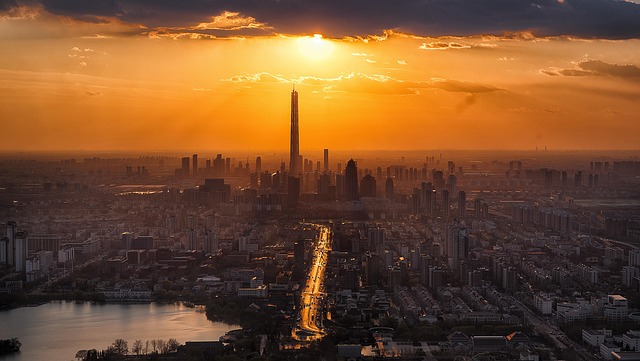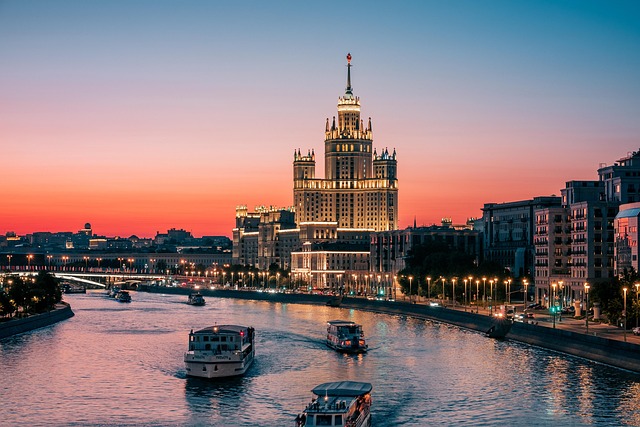
Recent years have seen a surge in demand for central urban locations driven by lifestyle preferences, economic factors, and demographic shifts. High-rise apartments and mixed-use developments are popular among younger, career-oriented individuals. Major cities like NYC and London reflect this trend with significant apartment sales increases. Real estate professionals should integrate mixed-use projects, enhance public transportation, and adopt sustainable urban design to meet this need. Successful examples include redeveloping industrial areas into bustling multi-purpose districts. The trend towards central living is reshaping the real estate sector, with developers offering tailored property solutions like micro-apartments and shared living spaces. Real estate naturally plays a key role in creating balanced, sustainable communities through mixed-use developments, smart infrastructure, and community engagement initiatives.
The global shift towards urban living has sparked a profound change in the real estate landscape. As cities expand and populations grow, the demand for central living spaces has never been higher. This surge presents both opportunities and challenges, particularly in densely populated areas where accommodating more residents is a complex task. The article delves into this pressing issue, exploring strategies to mitigate the strain on urban housing markets while catering to the needs of modern city dwellers. By examining innovative solutions within the real estate sector, we aim to illuminate potential paths toward sustainable and vibrant urban development.
Understanding Demand Spikes in Urban Living
In recent years, a notable trend has emerged in urban living—demand for central locations has experienced significant spikes. This shift is not merely a fleeting fad but a profound change driven by evolving lifestyle preferences, economic factors, and demographic shifts. As cities continue to grow and diversify, understanding these demand spikes is crucial for both real estate professionals and urban planners.
The surge in interest for central living can be attributed to several key factors. High-rise apartments and mixed-use developments are gaining popularity, particularly among younger generations and career-oriented individuals who prioritize accessibility and convenience. The ability to walk to work, access public transportation, and enjoy vibrant city amenities is increasingly sought after. For instance, major metropolitan areas like New York City and London have seen a 20% and 15% increase in central apartment sales over the past five years, respectively. This trend underscores the persistent demand for prime urban real estate despite historically high prices.
Experts suggest that effective planning and development strategies are essential to meet this growing need without compromising quality of life. Real estate investors and developers should consider integrating mixed-use projects, enhancing public transportation infrastructure, and promoting sustainable urban design principles. By fostering walkable neighborhoods with a mix of residential, commercial, and recreational spaces, cities can accommodate demand spikes while maintaining a vibrant and livable environment. For example, the redevelopment of former industrial areas into bustling, multi-purpose districts has proven successful in several European cities, offering a model for urban renewal that caters to modern lifestyle demands.
Real Estate Strategies to Capitalize on Trends
In recent years, a significant trend has emerged, shifting the demand towards central living—a phenomenon that presents both opportunities and challenges for the real estate sector. This shift is largely driven by evolving consumer preferences, with urban dwellers increasingly seeking convenient, connected communities. As cities continue to grow and densify, real estate professionals must adapt their strategies to capitalize on this trend effectively. One key aspect of navigating this shift involves understanding the unique needs and behaviors of central living tenants and tailoring property offerings accordingly.
Real estate naturally plays a pivotal role in shaping urban landscapes, and developers who recognize these trends can position themselves at the forefront of the market. For instance, micro-apartments and shared living spaces have gained popularity in major metropolitan areas due to their affordability and ability to cater to diverse lifestyles. According to recent studies, cities like New York and San Francisco have seen a 20% increase in micro-unit rentals over the past decade. To stay competitive, real estate investors should consider reevaluating property portfolios, exploring innovative designs, and adopting mixed-use developments that seamlessly blend residential, commercial, and recreational spaces.
Moreover, embracing sustainable practices is no longer an option but a necessity to attract environmentally conscious tenants. Integrating green features such as energy-efficient systems, smart home technologies, and shared green spaces not only enhances the appeal of properties but also aligns with growing market demands. By adopting these strategies, real estate professionals can ensure their offerings remain desirable in a competitive landscape while contributing positively to urban sustainability efforts.
The Future of Centralized Communities

The concept of centralized communities is experiencing a renaissance as urban dwellers increasingly seek a balance between modern amenities and a sense of belonging. This shift towards central living isn’t just a trend; it’s a response to the evolving needs of contemporary society, driven by technological advancements, changing demographics, and a growing appreciation for sustainable, walkable neighborhoods. Real estate naturally plays a pivotal role in shaping this future, as developers and urban planners recognize the potential of creating vibrant, interconnected communities.
The future of centralized communities will be characterized by mixed-use developments that seamlessly integrate residential, commercial, and recreational spaces. This integrated approach fosters a sense of community, reducing reliance on personal vehicles and encouraging pedestrians and cyclists. For instance, cities like Amsterdam and Copenhagen are renowned for their well-planned, compact neighborhoods where residents can access essential services, schools, parks, and cultural venues within walking distance. In the United States, the rise of urban micro-communities in major metropolitan areas showcases this trend, with developments offering co-working spaces, on-site retail, and shared recreational facilities.
Real estate professionals have a unique opportunity to drive this transformation by collaborating with architects and urban designers to create sustainable, inclusive spaces. Investing in smart infrastructure, such as efficient lighting, renewable energy sources, and digital connectivity, can enhance the appeal of centralized communities. Additionally, fostering community engagement through pop-up events, shared gardens, and collaborative art installations can build a strong sense of belonging from the outset. As urbanization continues to grow globally, the success of these centralized communities will depend on striking a delicate balance between facilitating social connections and maintaining privacy, ensuring that future urban dwellers thrive in an environment that caters to both their physical and social needs.