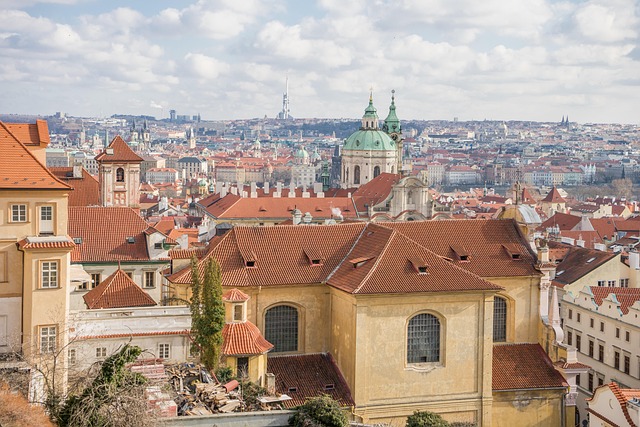
Urban migration towards city centers boosts downtown real estate markets, transforming affordable areas into premium locations. Developers can capitalize on this trend by implementing mixed-use developments, efficient transportation, and strategic planning to address overcrowding and infrastructure challenges. Understanding population shifts, consumer behaviors, and remote work trends is crucial for revitalizing city centers and creating sustainable urban environments. Analyzing demographic data and industry trends helps identify high-growth areas, with successful strategies focusing on mixed-use offerings, sustainability, and smart technology integration.
In recent years, there’s been a striking phenomenon: a migration towards downtown cores. This trend, driven by evolving urban lifestyles and career opportunities, presents both challenges and opportunities for real estate naturally. As city centers become hubs of activity, vibrant with cultural events and economic growth, the demand for residential spaces within these areas surges. However, this surge can lead to overcrowding and strain on local infrastructure. To address these issues, we delve into innovative strategies that harmonize urban development with quality of life, ensuring downtown cores remain dynamic and livable for all.
Analyzing Urban Trends: Migration Patterns Unveiled
Urban migration patterns have emerged as a key indicator of changing dynamics within cities, with significant implications for various sectors, including real estate. The trend towards downtown cores, often referred to as urban renewal or gentrification, is a complex phenomenon that requires meticulous analysis. Recent studies reveal that populations are increasingly migrating back to city centers, revitalizing once-neglected areas and presenting both opportunities and challenges for urban planners and developers. This shift is driven by a myriad of factors such as changing lifestyles, economic growth, and the allure of vibrant city living.
Analyzing these migration trends offers valuable insights for real estate professionals. For instance, in cities like New York and London, inner-city neighborhoods have experienced substantial population growth, leading to a surge in demand for housing. This has naturally resulted in increased property values and transformed once-affordable areas into premium real estate. Urban planners can leverage these data points to guide development strategies, ensuring a balanced mix of residential, commercial, and recreational spaces. Understanding migration patterns also helps developers identify emerging markets, allowing them to invest wisely and cater to the evolving needs of urban dwellers.
Moreover, observing migration can aid in mitigating potential issues associated with rapid urbanization. As populations concentrate in downtown areas, it becomes imperative to address concerns related to overcrowding, infrastructure strain, and environmental sustainability. Experts suggest that strategic planning, including the implementation of mixed-use developments and efficient transportation systems, is crucial to managing these challenges. By anticipating and adapting to migration trends, real estate professionals can contribute to creating sustainable, inclusive, and vibrant urban environments.
Understanding Downtown Revitalization: A Real Estate Perspective
The migration towards downtown cores is a significant trend reshaping urban landscapes globally. This phenomenon offers a unique opportunity for real estate professionals to play a pivotal role in revitalizing city centers. Understanding this migration and its underlying drivers is crucial for strategic investments and development projects that can restore vibrancy to these areas. By examining population shifts, changing consumer behaviors, and the rise of remote work, experts in the real estate sector can identify emerging patterns and capitalize on their potential.
Downtown revitalization efforts often focus on transforming underutilized or distressed spaces into thriving hubs of residential, commercial, and recreational activities. This strategy not only attracts new residents and businesses but also creates a sense of community and urban living that was previously lacking. Real estate investors can contribute to this process by identifying undervalued properties in core areas and orchestrating their redevelopment. For instance, converting old industrial buildings into modern lofts or mixed-use complexes caters to the growing demand for unique, urban-style dwellings. Similarly, revitalizing retail spaces through innovative pop-up shops or experiential brands can draw a new generation of consumers back into city centers.
A key aspect of successful downtown revitalization is aligning development projects with the local community’s needs and preferences. Engaging stakeholders, including residents, businesses, and cultural organizations, ensures that investments resonate with the area’s unique character. Real estate professionals should explore data-driven approaches to understand demographic shifts, market trends, and amenity demands. This analytical perspective allows for informed decisions regarding land use, pricing strategies, and marketing campaigns, ensuring new developments complement existing infrastructure and attractions. By embracing this strategic mindset, real estate naturally becomes a catalyst for positive urban change, fostering vibrant downtown cores that cater to modern lifestyles.
Strategies for Capturing High-Value Core Markets
The migration toward downtown cores is a significant trend shaping urban landscapes globally. This phenomenon presents unique opportunities for real estate developers and investors to capture high-value markets. By understanding the dynamics of this migration, professionals can strategically position themselves to capitalize on emerging demand. One key strategy involves identifying and targeting specific demographics, such as young professionals and tech startups, who are driving urban core revitalization. For instance, cities like Austin and Seattle have experienced rapid growth in these sectors, resulting in a surge in residential and commercial real estate values.
Analyzing migration patterns requires meticulous data collection and analysis. Developers can leverage demographic studies, employment reports, and housing market trends to pinpoint areas of highest potential. For example, a comprehensive analysis of New York City’s tech industry expansion has revealed strong correlations between startup growth and increased demand for modern lofts and shared workspaces in trendy neighborhoods. This knowledge enables investors to make informed decisions about land acquisition and project planning.
Implementing successful strategies requires adaptability and innovation. Real estate professionals should consider offering mixed-use developments that cater to diverse needs, from residential units to co-working spaces and retail outlets. By creating vibrant, walkable communities, developers can attract and retain a diverse range of tenants and residents. Additionally, embracing sustainable practices and incorporating smart technology into designs can set projects apart in the competitive urban market. These strategies not only meet the demands of modern occupants but also contribute to the long-term resilience and appeal of downtown cores.