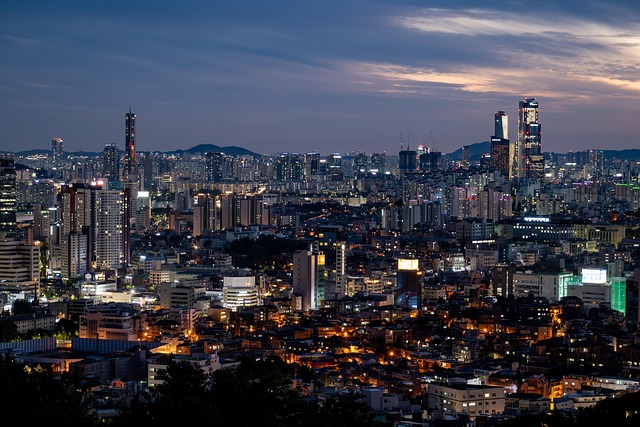
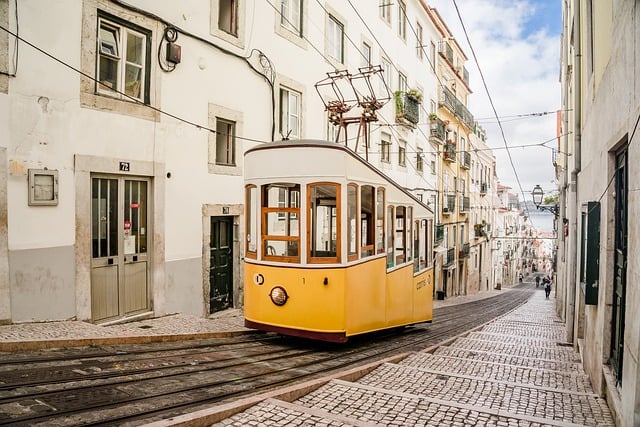
Urban populations are migrating back to downtown cores, driven by economic opportunities and lifestyle changes. Real estate professionals can capitalize on this trend by focusing on areas with entertainment districts, quality schools, and efficient transit. This shift drives high demand and premium pricing for central properties. Governments and planners should prioritize infrastructure improvements based on migration data to enhance urban living.
Real estate naturally plays a crucial role in fostering sustainable development through innovative designs, mixed-use spaces, and adaptive reuse. Embracing green spaces, walkability, and smart technologies creates vibrant, inclusive urban cores while addressing challenges like housing affordability and transportation.
The migration patterns towards downtown cores are a significant indicator of urban evolution, reshaping the real estate landscape. As cities grow and change, understanding these movements is crucial for developers, planners, and investors alike. The issue lies in deciphering these trends accurately to make informed decisions about future projects. This article delves into the intricate dance between population shifts and downtown development, offering a comprehensive strategy to harness this data effectively. By exploring predictive analytics and innovative real estate planning, we aim to illuminate a path for sustainable urban growth that caters to evolving needs.
Analyzing Urban Trends: Uncovering Migration Patterns
The urban landscape is undergoing a significant transformation as populations shift towards downtown cores, a trend that has profound implications for real estate naturally. This migration is driven by various factors including economic opportunities, lifestyle changes, and access to amenities. According to recent data from the U.S. Census Bureau, urban areas have experienced substantial population growth, with many cities reporting higher rates of inflow than outflow. For instance, major metropolitan areas like New York City and Chicago have witnessed a steady rise in downtown residents, reversing decades-long trends of suburbanization.
Analyzing these migration patterns offers valuable insights for real estate professionals. Understanding the specific attractions drawing people back to city centers allows developers and investors to make informed decisions about property acquisition, renovation, and new construction projects. For example, young professionals often prioritize proximity to vibrant entertainment districts, high-quality schools, and efficient public transportation networks. As a result, real estate naturally in these areas tends to be highly sought after, with prices reflecting the premium location. By closely examining migration trends, experts can identify emerging hotspots and capitalize on opportunities that align with changing urban demands.
Moreover, understanding migration patterns helps in predicting future development needs. Cities that successfully attract and retain residents are better positioned to accommodate growth while mitigating potential strain on infrastructure. This knowledge is crucial for local governments and urban planners when prioritizing public services, transportation expansions, and green space initiatives. By embracing these trends, real estate naturally can evolve to meet the evolving needs of downtown communities, fostering sustainable urban development that enhances the quality of life for residents.
The Real Estate Impact: Downtown Revitalization Strategies
The migration of populations towards downtown cores is reshaping urban landscapes and presenting significant real estate implications. This trend, often driven by a desire for walkable, vibrant communities, has sparked revitalization efforts in many cities. As populations dense into city centers, traditional suburban models are being reevaluated, forcing developers to adapt their strategies. The real estate industry naturally finds itself at the forefront of these changes, with opportunities and challenges arising from the shift.
One notable impact is the transformation of downtown areas into thriving hubs of residential, commercial, and cultural activities. This resurgence stimulates local economies and attracts a diverse range of residents. For instance, cities like New York and Chicago have seen substantial investments in urban renewal, leading to high-rise developments and mixed-use projects that cater to young professionals, families, and retirees alike. This shift from low-density suburban living to compact, mixed-use downtowns can lead to more efficient land use and reduced infrastructure strain. However, it also presents challenges such as increased demand for affordable housing and the need for robust public transportation systems.
Experts recommend that real estate developers embrace innovative designs that blur the lines between residential and commercial spaces, fostering a sense of community. Adaptive reuse projects, converting historic buildings into mixed-income apartments or co-working spaces, can be particularly successful in revitalizing underutilized urban areas. Additionally, integrating green spaces and promoting walkability enhances the desirability of downtown cores. As cities continue to grow and evolve, staying attuned to migration patterns will be crucial for real estate professionals aiming to create vibrant, sustainable urban environments.
Future-Proofing Cities: Sustainable Core Development
As cities around the world grapple with rapid urbanization and population growth, a notable trend emerges: the migration towards downtown cores. This phenomenon presents both challenges and opportunities for urban planners and real estate developers alike. Future-proofing our cities requires sustainable core development that caters to evolving needs while minimizing environmental impact. The central business districts (CBDs) of today are not just economic hubs; they are vibrant ecosystems where people live, work, play, and interact. Understanding this dynamic is crucial for creating resilient urban spaces that can adapt to future changes.
One of the key aspects of sustainable core development is integrating green spaces and promoting mixed-use zoning. Research shows that cities with well-designed public parks and recreational areas experience higher levels of resident satisfaction and lower rates of urban heat island effect, a significant environmental concern. For instance, New York City’s Central Park and London’s Hyde Park serve as prime examples of how green spaces can enhance the quality of life in dense urban settings. Similarly, mixed-use developments that blend residential, commercial, and retail spaces encourage walkability and reduce car dependency, leading to more sustainable transportation patterns. According to a 2022 study by Urban Land Institute, cities prioritizing mixed-use development have shown stronger economic recovery post-pandemic, underscoring the importance of such strategies in shaping resilient urban cores.
Real estate naturally plays a pivotal role in this transformation. Developers can drive change by adopting sustainable building practices and incorporating innovative technologies to reduce carbon footprints. This includes designing energy-efficient structures, utilizing renewable energy sources, and implementing smart city solutions for better resource management. For example, the iconic Burj Khalifa in Dubai showcases how tall buildings can be constructed with a minimal environmental impact through advanced engineering and green design principles. As cities look to the future, embracing such forward-thinking approaches will be essential for creating urban cores that are not only sustainable but also economically vibrant and socially inclusive.