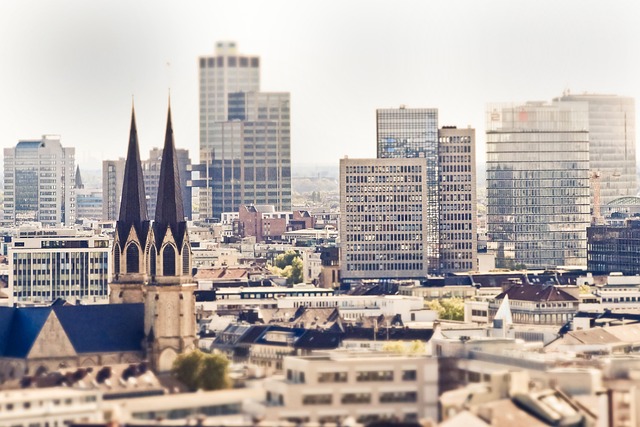
Urban migration towards downtown cores presents real estate sectors with increased demand for residential properties, rising rents, and property values. Mixed-use developments, walkability, and public transportation are key to managing density and preserving community character. Revitalization strategies, such as restoring historic districts, stimulate economic growth. Centralized development offers advantages like efficient land use, reduced urban sprawl, and enhanced resilience, with examples from Singapore and Tokyo. Real estate professionals can capitalize on these trends by offering diverse housing options and fostering inclusive communities.
In recent years, there’s been a notable shift in urban development as populations migrate toward downtown cores. This phenomenon impacts real estate naturally, reshaping urban landscapes and challenging traditional notions of urban living. The problem lies in the uneven distribution of resources and amenities, which can lead to gentrification and displacement. However, by strategically focusing on inclusive development and smart urban planning, this trend can be harnessed for positive change. This article delves into the drivers of this migration, explores its implications, and offers insights into how cities can foster sustainable growth, ensuring a vibrant future for all.
Understanding Urban Migration Patterns in Downtown Areas
The migration of populations toward downtown cores is a significant trend shaping urban landscapes globally. This phenomenon, often characterized as urban renewal, poses unique challenges and opportunities for cities and their real estate sectors. Understanding these migration patterns is crucial for stakeholders to make informed decisions regarding development and investment strategies. By analyzing data from various cities, researchers have identified several key factors driving this trend. Chief among them is the growing preference for urban living, particularly among younger generations, who seek proximity to job opportunities, cultural amenities, and vibrant social scenes.
Downtown areas, traditionally considered economic hubs, are naturally attracting individuals and families who value walkable, transit-oriented lifestyles. This shift has led to increased demand for residential properties in core districts, resulting in rising rents and property values. For instance, a study of major metropolitan areas reveals that downtown neighborhoods often experience higher population growth rates compared to suburban regions. This urban migration can be further attributed to changing demographics and the desire for more compact, sustainable living arrangements. As cities continue to grow, effective planning and real estate development strategies are essential to accommodate this influx while preserving the unique character of downtown communities.
Experts suggest that embracing mixed-use developments, integrating residential, commercial, and retail spaces, can help manage population density and maintain a balanced urban environment. Additionally, investing in public transportation infrastructure and promoting walkability will further enhance the appeal of downtown cores. Real estate professionals can capitalize on these trends by offering diverse housing options, catering to the needs of diverse demographics, and fostering inclusive communities. Staying attuned to migration patterns and adapting to the evolving preferences of urban dwellers will be pivotal for the long-term success of downtown real estate.
The Real Estate Impact: Core City Revitalization Strategies
The migration of populations toward downtown cores is reshaping urban landscapes, with profound implications for the real estate sector. This trend, driven by factors such as changing lifestyles, urban amenities, and accessibility, presents both opportunities and challenges for developers and investors. Revitalization efforts focused on these core areas can stimulate economic growth and create vibrant, sustainable communities.
Successful core city revitalization strategies leverage the unique character and history of each neighborhood. For instance, historic districts can be restored to their former glory, attracting residents and businesses seeking authentic urban experiences. Adaptive reuse of existing structures, such as converting industrial spaces into lofts or co-working facilities, is a prevalent practice that adds diversity to the real estate market. This approach not only preserves architectural heritage but also meets the demands of modern, flexible workspaces.
Data from recent studies highlights the economic benefits of downtown core revitalisation. According to a report by the Urban Land Institute, revitalized urban centers experience higher property values, increased retail sales, and improved job creation rates. Developers can capitalize on these trends by implementing mixed-use projects that seamlessly blend residential, commercial, and retail spaces. Encouraging walkability and access to public transportation further enhances the appeal of these areas, fostering a thriving, interconnected urban fabric.
Future-Proofing Cities: Long-Term Benefits of Centralized Development
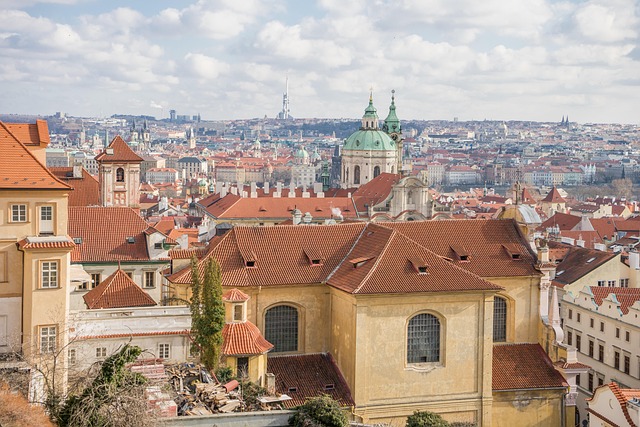
Cities around the world are witnessing a remarkable trend: a migration back toward downtown cores. This phenomenon offers a unique opportunity to future-proof urban environments, particularly in terms of real estate development. As populations grow and urbanize, centralized development has become a strategic imperative, presenting long-term benefits for cities and their inhabitants. The shift towards downtown living is not merely a passing trend but a response to evolving urban needs and desires.
The central business districts (CBDs) of major cities have long been the epicenters of economic activity, cultural diversity, and social interaction. However, in recent years, there has been a notable trend of urban sprawl, with development spreading outward from these cores. Today, many cities are reevaluating this trend, recognizing the advantages of compact, mixed-use developments in the heart of the city. This shift is driven by a combination of factors, including changing lifestyles, advancements in transportation infrastructure, and a growing appreciation for the vibrancy and accessibility that dense urban environments offer.
From a real estate perspective, centralized development has significant advantages. It encourages efficient land use, reduces urban sprawl, and promotes higher-density buildings, which can house more people and businesses. This, in turn, leads to more sustainable and cost-effective urban planning. For instance, cities like Singapore and Tokyo have long been champions of centralized development, resulting in some of the world’s most efficient and livable urban spaces. By concentrating development in specific areas, cities can also enhance their resilience to environmental challenges, such as extreme weather events, as well as economic shocks. This strategic approach to urban planning ensures that cities remain dynamic, competitive, and attractive to residents and businesses alike.