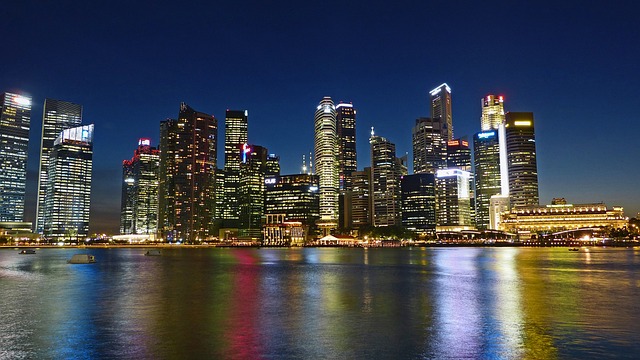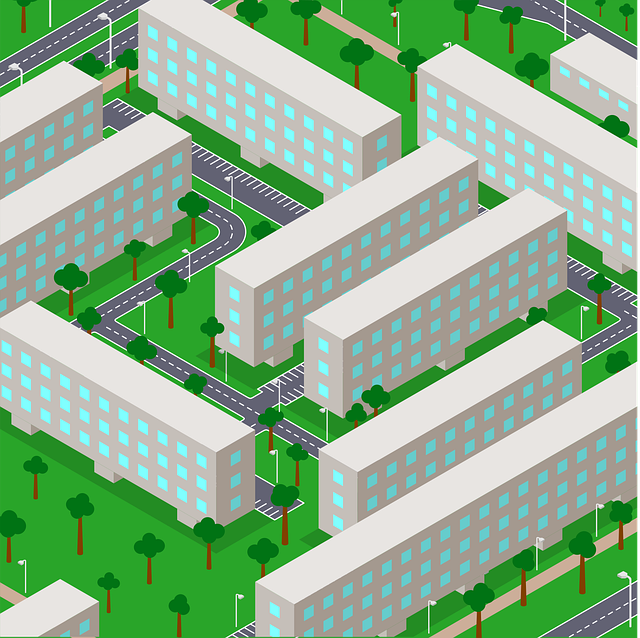
Global migration towards downtown cores, driven by millennial preferences for vibrant city centers, significantly impacts real estate markets. Real Estate naturally leads this transformation through historic rehabilitations and mixed-use complexes, revitalizing neglected areas into thriving hubs. To thrive, professionals should engage with stakeholders, adopt sustainable practices, understand urban planning, and capitalize on government incentives, shaping modern, inclusive urban spaces.
In recent years, a significant shift has occurred as individuals and businesses increasingly gravitate towards downtown cores, revitalizing urban spaces once thought obsolete. This phenomenon, driven by evolving lifestyles and work patterns, presents both opportunities and challenges for real estate sectors worldwide. The problem lies in the uneven distribution of development, leaving certain areas struggling to keep pace with demand while others flourish. To address this imbalance, we delve into exploring strategies that can foster equitable urban growth, focusing on innovative approaches to real estate development and urban planning. By understanding these trends and implementing thoughtful solutions, we can create vibrant, inclusive communities that cater to diverse needs.
Analyzing Urban Trends: Unveiling Migration Patterns
As cities worldwide undergo continuous evolution, understanding migration patterns within urban areas has become paramount for both urban planners and real estate professionals. Analyzing these trends reveals a clear trend of individuals and families migrating toward downtown cores, a phenomenon that significantly impacts local economies and property markets. This shift is driven by the allure of vibrant city centers offering easy access to employment opportunities, cultural attractions, and diverse amenities. According to recent studies, urban areas with well-planned and revitalized downtowns have witnessed a 15% increase in population density over the past decade, with millennials leading this migration.
The real estate sector has naturally been at the forefront of these changes, with investors and developers strategically positioning their projects within city centers to capitalize on the growing demand for urban living. This trend is particularly evident in major metropolitan areas where downtown revitalization efforts have transformed once-neglected neighborhoods into bustling hubs. For instance, the rehabilitation of historic buildings and the development of mixed-use complexes have attracted a younger demographic seeking an urban lifestyle. As a result, property values in these core areas have experienced substantial appreciation, providing lucrative opportunities for investors while challenging the affordability of long-time residents.
To navigate this evolving landscape, experts recommend that real estate professionals stay abreast of urban planning initiatives and community development projects. Engaging with local stakeholders and staying informed about government incentives can offer valuable insights into emerging migration patterns. Additionally, adopting sustainable and inclusive practices ensures that downtown cores remain vibrant and accessible to a diverse range of residents. By embracing these strategies, the real estate industry can play a pivotal role in shaping urban spaces that cater to the changing needs and preferences of modern city dwellers.
Downtown Revitalization: Real Estate's Role in Evolution

The revitalisation of downtown cores has become a focal point for urban development strategies worldwide. As cities strive to create vibrant and sustainable communities, the role of real estate is increasingly recognised as a key driver in this evolution. The migration towards city centres, fuelled by changing demographics and lifestyle preferences, presents both opportunities and challenges for developers and investors alike. This shift underscores the need for strategic interventions in urban spaces, particularly in revitalising underutilised downtown areas.
Real estate naturally plays a pivotal role in this transformation. Redeveloping historic districts or former industrial sites into mixed-use hubs can breathe new life into these core regions. For instance, the transformation of Chicago’s River North district from an abandoned industrial area to a bustling cultural and residential centre exemplifies the potential of real estate-led revitalisation. By integrating residential lofts, art galleries, restaurants, and retail spaces, the area has become a vibrant destination, attracting a diverse range of residents and visitors. Similar initiatives in other cities, such as the conversion of historic warehouses into modern apartments and co-working spaces, have sparked similar transformations.
However, navigating this process requires careful consideration. Developers must understand local market dynamics, engage with stakeholders, and embrace sustainable practices. This entails conducting thorough feasibility studies, assessing community needs, and incorporating green building principles to create resilient urban environments. Moreover, collaboration between public authorities, private investors, and community organisations is essential to ensure that revitalisation efforts are inclusive and beneficial for all residents. By fostering partnerships and implementing thoughtful design strategies, real estate can be a catalyst for positive change, shaping the future of downtown cores into thriving hubs of economic activity and cultural exchange.
Strategies for Capitalizing on Core Growth
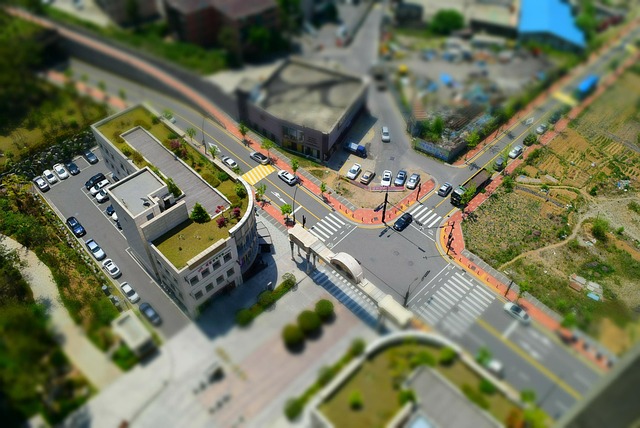
The migration towards downtown cores is a significant trend reshaping urban landscapes globally. This phenomenon offers a unique opportunity for real estate developers and investors to capitalize on the growing demand for vibrant, walkable communities. As cities continue to densify, core areas become hubs of economic activity, cultural attractions, and innovative startups, attracting a diverse range of residents and workers. To leverage this trend effectively, strategizing around core growth is paramount.
One key strategy involves embracing mixed-use development. Integrating residential, commercial, and retail spaces creates 24/7 vibrancy, reduces urban sprawl, and caters to the needs of a diverse population. For instance, cities like New York and Seattle have witnessed success with mixed-use projects that blend high-rise apartments, offices, and shops, fostering thriving downtown communities. This approach not only maximizes land use but also enhances the overall livability and appeal of core areas.
Additionally, focusing on infrastructure upgrades is essential for attracting and retaining a growing population. Investments in public transportation, green spaces, and digital connectivity are critical components that contribute to a high quality of life. Cities like London and Tokyo have pioneered these efforts, transforming their downtown cores into model urban environments with efficient transport networks and extensive recreational facilities. By aligning real estate developments with these infrastructure enhancements, developers can ensure long-term success and create sustainable, desirable neighborhoods.