Urban living experiences record demand driven by remote work and vibrant experiences. Real estate responds with mixed-use projects, smart city tech, and sustainable growth strategies. Higher occupancy rates and premium prices reflect demand for walkable, connected communities. Future trends include dense development, green buildings, and integrated spaces catering to younger generations' urban preferences. Real estate professionals guide this shift, shaping tomorrow's urban landscapes.
The demand for central living arrangements has surged in recent years, reflecting a significant shift in urban lifestyle preferences. This trend presents both opportunities and challenges for the real estate sector. As cities continue to grow and densify, accommodating this demand while preserving quality of life becomes paramount. The solution lies in innovative design, sustainable practices, and strategic planning that prioritize communal spaces, efficient transportation, and seamless integration with surrounding neighborhoods. By exploring these approaches, we offer valuable insights into revitalizing urban landscapes and meeting the evolving needs of modern communities through real estate development.
Understanding Demand Spikes in Urban Living
Urban living has seen a remarkable surge in demand over the past decade, with city centers becoming hotspots for residents seeking vibrant, centralized experiences. Understanding these demand spikes is crucial for both real estate professionals and urban planners aiming to meet the evolving needs of modern communities. The rise of remote work, accelerated by the global pandemic, has played a pivotal role in this trend, as people reevaluate their priorities and opt for more accessible, city-centric lifestyles. This shift has led to a significant increase in the desirability of properties located near amenities, public transport hubs, and cultural hotspots—a trend that shows no signs of slowing down.
According to recent market reports, urban areas across the globe are witnessing unprecedented growth in their rental and sales markets. For instance, major metropolises like New York City, London, and Tokyo have reported record-breaking property prices, with high demand from both domestic and international buyers. This surge has not only impacted housing markets but also driven up the cost of living in these cities, making centralized living less accessible for lower-income residents. As a result, urban planners are facing the challenge of ensuring equitable access to desirable city centers while managing the influx of new inhabitants.
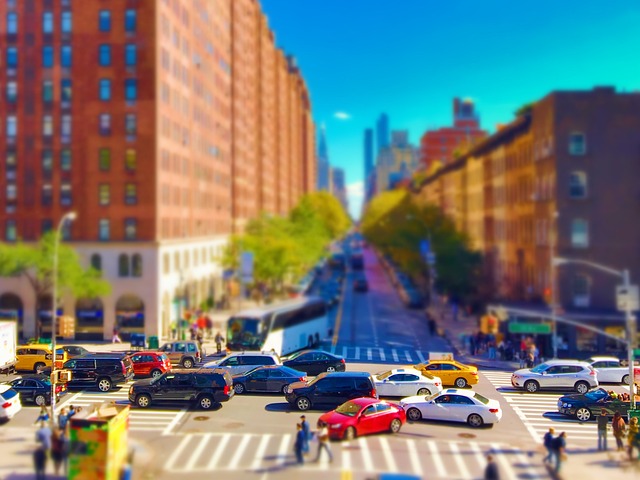
Real estate naturally plays a pivotal role in addressing this demand. Developers and investors are responding by creating innovative, mixed-use projects that cater to diverse lifestyles. These developments often include a blend of residential units, commercial spaces, retail outlets, and recreational facilities, all within walking distance. By fostering walkable, livable neighborhoods, these projects enhance the overall quality of urban life while optimizing space utilization. Moreover, implementing smart city technologies can further improve centralized living experiences, offering residents efficient transportation options, enhanced safety measures, and better access to community services.
Real Estate Strategies for Centralized Communities
The demand for central living has seen a remarkable surge in recent years, with urban populations thriving in vibrant, compact communities. This trend presents a unique challenge and opportunity for real estate professionals. Centralized neighborhoods, characterized by mixed-use developments, offer residents unparalleled convenience, access to amenities, and a sense of community. As such, real estate strategies in these areas must adapt to meet the evolving needs of urban dwellers.
Successful real estate management in centralized communities involves a delicate balance between preserving the unique character of the neighborhood and accommodating growing demand. Developers and investors should prioritize sustainable growth, ensuring that new projects integrate seamlessly with existing infrastructure and landscapes. For instance, adding green spaces within dense urban areas can mitigate congestion and provide residents with much-needed recreational areas. Moreover, focusing on smart building technologies and efficient design principles can enhance energy sustainability while optimizing space utilization.
Data from major metropolitan areas reveals a consistent correlation between centralized living and higher occupancy rates, as well as premium rental and sales prices. This trend is expected to continue, underpinned by the increasing preference for walkable, connected communities. Real estate agents and advisors play a pivotal role in guiding clients toward suitable properties within these vibrant hubs, offering insights into emerging trends, zoning regulations, and potential investment payoffs. By staying attuned to local dynamics, they can facilitate transactions that cater to both individual lifestyles and the overall health of centralized neighborhoods.
The Future of City Living: Trends and Predictions
The future of city living is increasingly centered around a return to vibrant, central neighborhoods, marking a significant shift in global urban trends. This demand for ‘central living’ is driven by a confluence of factors—a growing preference for walkable, transit-oriented communities, the rise of remote work, and an increasing focus on sustainable urban development. Real estate naturally plays a pivotal role in shaping this future, with developers and investors recognizing the potential of revitalizing downtown areas and creating mixed-use, high-density districts.
Cities around the world are responding by investing heavily in infrastructure upgrades, reimagining public spaces, and encouraging dense, mixed-use development. For instance, cities like New York and London have implemented comprehensive plans to redevelop underutilized urban sites into vibrant residential and commercial hubs. This trend is not limited to established metropolises; emerging markets are also witnessing a surge in central living projects, with cities like Singapore and Dubai leading the way in innovative, sustainable design and construction practices.
Experts predict that this shift will continue as younger generations, comfortable with digital connectivity, seek urban environments that offer convenience, cultural amenities, and a strong sense of community. To capitalize on this trend, real estate professionals must adapt strategies to cater to evolving consumer preferences. This includes integrating smart home technologies, prioritizing green building certifications, and designing spaces that foster a blend of residential, commercial, and recreational activities. For instance, the integration of co-working spaces within mixed-use developments caters to remote workers’ needs for community and collaboration. By embracing these trends, real estate can not only meet current demands but also shape the urban landscapes of tomorrow.