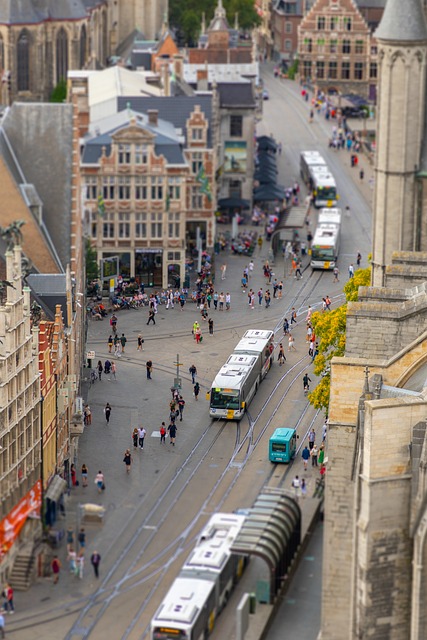
Urban migration towards downtown cores globally, driven by changing demographics and preferences, is reshaping real estate dynamics. Developers and investors should: identify emerging downtown areas, understand local migration drivers, invest in walkable, mixed-use spaces, revitalize underutilized areas, partner with local authorities, and enhance transportation infrastructure to capitalize on this trend and cater to growing demand for urban living.
As urban areas continue to grow and evolve, a notable trend emerges: the migration of populations back toward downtown cores. This phenomenon presents both opportunities and challenges for real estate markets and city planners alike. The resurgence in demand for inner-city living poses questions regarding infrastructure capacity, housing availability, and community sustainability. Understanding these shifting patterns is crucial for developers and investors seeking to capitalize on emerging trends while contributing to the vitalization of urban centers. In this article, we delve into the factors driving this migration and propose strategies to optimize its impact on real estate naturally.
Understanding Urban Migration Patterns in Real Estate
Urban migration patterns have become a critical factor shaping the real estate landscape, with a noticeable trend towards downtown cores. This phenomenon, often driven by changing demographics, economic opportunities, and a desire for urban living, presents both opportunities and challenges for developers, investors, and urban planners. Understanding these migration flows is essential for making informed real estate decisions, ensuring properties remain valuable, and creating vibrant urban communities.
The migration towards city centers is particularly evident in major metropolitan areas worldwide. For instance, a study by the Urban Institute revealed that between 2010 and 2019, 28 U.S. cities experienced significant population growth, with many of these cities recording a surge in residents moving from suburban areas to downtown neighborhoods. This shift is not just a temporary trend but a structural change in urban dynamics. Real estate professionals must recognize that urban migration patterns can influence property values, demand, and the overall market sentiment. As downtown areas become more desirable, the demand for housing, commercial spaces, and infrastructure increases, potentially driving up costs.
To capitalize on these trends, real estate investors and developers should focus on identifying emerging downtown core areas and understanding the specific drivers of migration in each location. For example, a city’s growing tech sector might attract young professionals to a particular neighborhood, while a revival of cultural amenities could draw a creative class. By staying abreast of migration data and local market trends, real estate specialists can anticipate changes and adapt their strategies accordingly. This proactive approach ensures that investments remain sound and that developments meet the evolving needs of urban migrants. Moreover, engaging in long-term planning, which considers migration patterns, can foster the creation of sustainable, mixed-use communities that thrive as urban centers continue to evolve.
The Rise of Downtown Cores: Attracting Inhabitants

The resurgence of downtown cores across major cities is a significant trend reshaping urban landscapes. This phenomenon, driven by a multitude of factors, is not merely aesthetic; it reflects a deeper migration of inhabitants seeking the vibrancy and convenience that these areas offer. The rise of downtown cores presents a unique opportunity for real estate developers and urban planners to cater to this growing demand. By understanding the needs and preferences of contemporary dwellers, they can design spaces that foster a sense of community, integrate seamlessly with the existing urban fabric, and provide easy access to essential amenities.
Key drivers behind this trend include a desire for walkable, mixed-use environments that offer a diverse range of housing options, retail, and cultural attractions. Cities like New York, London, and Berlin have experienced a notable influx of residents moving into their central business districts, revitalizing once-neglected areas. According to a 2022 report by the Urban Institute, downtown cores have seen a 15% increase in population over the past decade, with young professionals and families leading this migration. This shift challenges traditional suburban models, compelling real estate investors to reevaluate their strategies and focus on urban core development.
To capitalize on this trend, developers must prioritize creating inclusive, sustainable, and livable spaces. This involves integrating green spaces, promoting public art, and ensuring a balance between residential, commercial, and recreational areas. For instance, the revival of Chicago’s River North district, once a manufacturing hub, into a bustling arts and culture center, serves as a successful model. By leveraging the power of real estate as a catalyst for urban renewal, cities can foster a sense of belonging and create destinations that attract and retain a diverse population. Actively engaging with local communities and adopting a holistic approach to urban design will be crucial for the long-term success of these downtown core revitalization projects.
Strategies for Developers: Adapting to Migration Trends
As urban populations grow and shift, developers must closely observe migration trends to ensure their real estate investments remain strategic and profitable. A notable phenomenon is the consistent migration toward downtown cores, with cities experiencing a surge in residents seeking vibrant, walkable neighborhoods. This trend presents both opportunities and challenges for developers, who must adapt their strategies to meet the evolving demands of urban dwellers.
One key strategy involves revitalizing underutilized downtown areas by converting outdated properties into modern residential or mixed-use developments. For instance, many cities are seeing success with adaptive re-use projects that transform former industrial sites into trendy lofts or mixed-use complexes. Developers can partner with local authorities to identify and acquire suitable sites, engaging in thoughtful design processes that blend new construction with historical elements. This approach not only addresses urban decay but also creates desirable, unique living spaces that attract a diverse range of residents.
Furthermore, understanding the critical role of transportation infrastructure is essential. Investors should prioritize areas with robust public transit systems, as data consistently shows that walkability and access to mass transit are key factors in real estate desirability. Developing or enhancing transportation networks can significantly increase property values and tenant satisfaction. For example, the construction of new light rail lines has been linked to a surge in property development along targeted routes, demonstrating the direct impact of infrastructure on urban migration patterns.