A global trend toward central living is driven by remote work, walkable neighborhoods, and urban community preferences. Real estate naturally adapts with high-density developments, smart homes, and green features to meet demand. Urban planners must invest in efficient transport and digital connectivity. Affordability and inclusive housing strategies are crucial. Local governments encourage mixed-use development and sustainable design reduces urban sprawl's environmental impact. Post-pandemic, strategically shaping central communities creates resilient, livable urban environments balancing economic growth and environmental stewardship through real estate naturally.
In recent years, the demand for central living has surged, reshaping urban landscapes and real estate markets worldwide. The allure of convenient, walkable neighborhoods is undeniable, offering a stark contrast to the car-centric developments of yesteryear. However, this shift presents challenges in terms of infrastructure, land use planning, and housing affordability. To address these issues, this article delves into innovative strategies for integrating central living seamlessly into modern cities. By exploring best practices from leading real estate developers and urban planners, we offer practical solutions to create vibrant, sustainable communities that cater to diverse lifestyles while ensuring accessibility and affordability.
Understanding Demand Drivers in Urban Living
The demand for central living has been experiencing a notable surge across major urban centers globally. This trend is driven by a confluence of socio-economic factors, lifestyle preferences, and demographic shifts. Young professionals and millennials, in particular, are increasingly opting for urban apartments or shared spaces within walking distance to work, entertainment hubs, and cultural landmarks. Real estate naturally plays a pivotal role in catering to this demand, with developers recognizing the potential for high occupancy rates and premium pricing in prime locations. For instance, according to a recent global real estate report, cities like New York, London, and Singapore have seen average rental yields of 4-5%, significantly higher than their respective historical averages.
Several key drivers underpin this phenomenon. The rise of remote work has broken down geographical barriers, allowing individuals to choose residences based on lifestyle preferences rather than proximity to offices. Additionally, the desire for walkable neighborhoods enhances quality of life, reduces transportation costs, and minimizes environmental impact. This shift towards central living also reflects a growing appreciation for vibrant urban communities, where residents can easily access a variety of amenities, cultural events, and recreational activities. Real estate developers have responded by introducing innovative designs that blend residential spaces with commercial and leisure facilities, fostering a sense of community and interconnectedness within urban landscapes.
However, this surge in demand presents both opportunities and challenges. Urban planning authorities must anticipate future trends to ensure adequate infrastructure development, such as efficient public transportation networks and robust digital connectivity. Moreover, addressing affordability remains crucial; as prices rise, there is a risk of excluding lower-income residents from desirable central locations. Developers and policymakers can mitigate this by implementing inclusive housing strategies, including mixed-use developments and initiatives that promote affordable rental options. By understanding these demand drivers and proactively adapting to them, the real estate sector can not only capitalize on the growing urban living trend but also contribute to building more livable, sustainable, and inclusive cities.
The Real Estate Impact: Trends and Opportunities
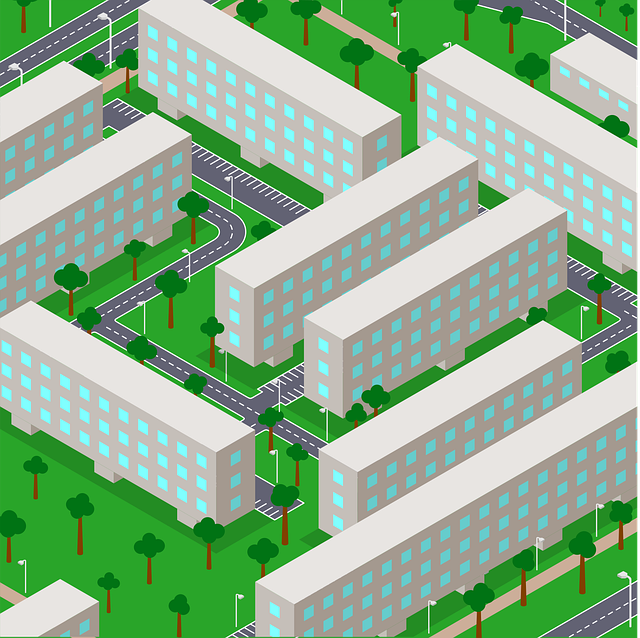
The recent surge in demand for central living has significantly reshaped the real estate landscape, with urban areas experiencing a notable shift towards compact, conveniently located residences. This trend presents both challenges and opportunities for developers, investors, and policymakers alike. The real estate industry is witnessing a dramatic change as buyers, particularly younger generations, prioritize accessibility and community over sprawling suburban homes. As a result, high-density neighborhoods are gaining popularity, driving substantial growth in the construction of mixed-use buildings and revitalizing urban infrastructure.
Central living offers numerous benefits, such as reduced commuting times, easier access to amenities, and an enhanced sense of community. These advantages have led to an increased demand for well-designed, sustainable properties within walking distance of commercial hubs, parks, and cultural centers. Real estate professionals must adapt to this evolving market by focusing on creating spaces that cater to the needs of urban dwellers. For instance, developers are incorporating smart home technology, green features, and shared amenities like co-working spaces and community gardens to attract a tech-savvy demographic.
To capitalize on these trends, real estate investors should consider diversifying their portfolios with central city properties. Strategic acquisitions in emerging urban centers or revitalized downtown areas can yield substantial returns as the demand for central living continues to grow. Moreover, local governments play a pivotal role in shaping this market by implementing policies that encourage mixed-use development and affordable housing options, ensuring sustainable urban growth and addressing the diverse needs of incoming residents.
Shaping Sustainable Central Communities
The recent demand surge for central living highlights a growing trend towards sustainable and vibrant urban communities. This shift towards core neighborhoods offers a unique opportunity to reshape real estate naturally, fostering an environment that prioritizes walkability, green spaces, and efficient infrastructure. By embracing this evolution, cities can mitigate urban sprawl’s environmental impact while enhancing residents’ quality of life.
Central living promotes compact development, reducing the need for extensive transportation networks. This density allows for more efficient resource allocation, including accessible public transport, shared amenities, and consolidated utility services. For instance, Amsterdam’s densely populated areas have facilitated an extensive network of cycling paths, making bicycles a primary mode of transportation. Similarly, urban planning in Copenhagen prioritizes walkability, with compact buildings and dedicated pedestrian zones, significantly lowering carbon emissions from personal vehicles.
Real estate developers play a pivotal role in this transformation. Adopting sustainable design principles, such as green roofs, energy-efficient construction, and integrated renewable energy systems, can attract eco-conscious residents. For example, the implementation of mixed-use developments combining residential, commercial, and retail spaces encourages reduced car dependency. Furthermore, integrating community gardens and shared green spaces not only enhances biodiversity but also strengthens neighborhood bonds. As cities navigate the post-pandemic era, strategically shaping central communities will be key to creating resilient, livable urban environments that balance economic growth with environmental stewardship.