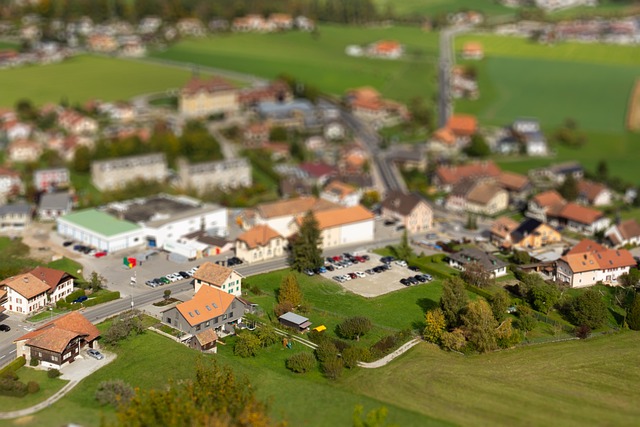
Recent years have seen a significant shift in consumer preferences towards urban central living, driven by a demand for real estate in bustling city centers. Modern urban dwellers seek convenience and vibrancy, attracted to central locations offering easy access to employment, culture, and social scenes. Key factors include walkable communities, economic incentives like low interest rates, and the rise of remote work increasing demand for compact homes. This trend has led to transformations in urban neighborhoods, with developers revamping inner-city areas, boosting property values, stimulating local economies, and improving residents' quality of life through enhanced infrastructure and community engagement.
In recent years, there’s been a striking surge in demand for central living in urban areas. This trend reshapes the real estate landscape, with more folks seeking compact, walkable spaces amidst the hustle and bustle of city centers. Understanding this phenomenon involves delving into various factors, from changing lifestyles to economic booms. This article explores the rise in demand, its impact on neighborhoods, and how it’s transforming property values, shedding light on key real estate trends shaping urban landscapes.
Understanding the Rise in Urban Central Living Demand
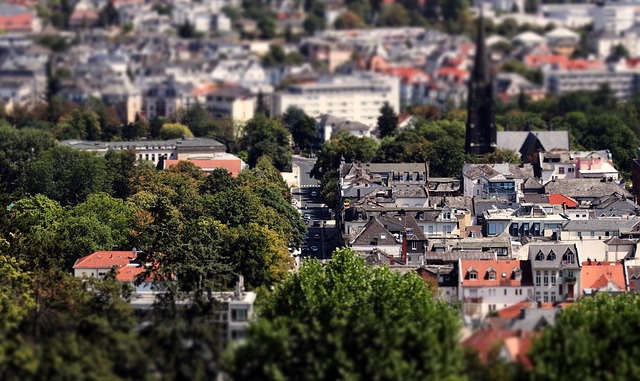
In recent years, there’s been a notable shift in consumer preferences towards urban central living, driving a significant surge in demand for real estate in bustling city centers. This trend is not just a fleeting fad but a profound change in lifestyle choices, with folks increasingly seeking the convenience and vibrancy that comes from living at the heart of a metropolis. Central locations offer easy access to employment hubs, cultural attractions, and vibrant social scenes, making them highly desirable for modern urban dwellers.
Various factors contribute to this rise in demand. The digital revolution has made remote work more feasible, allowing professionals to live further from traditional corporate centers. Additionally, the allure of city life—its energy, diversity, and endless entertainment options—continues to draw in folks from all walks of life, fostering a sense of community and belonging within these densely populated areas.
Factors Driving the Spike in Real Estate Trends
The demand spike for central living is fueled by various dynamic factors reshaping real estate trends. One prominent driver is the growing preference for urban, walkable communities, where residents can enjoy easy access to amenities, public transportation, and a vibrant social scene. This shift is particularly evident among younger generations who prioritize lifestyle over traditional suburban living arrangements.
Additionally, economic factors play a significant role. Low interest rates and a robust job market encourage investment in real estate, with many buyers opting for urban properties that offer both immediate living spaces and potential long-term investments. Furthermore, the rise of remote work has contributed to a desire for more compact, centrally located homes, as workers seek environments conducive to productivity and a healthier work-life balance.
The Impact on Neighborhoods and Property Values

The surge in demand for central living has brought about significant changes in neighborhoods across the globe. As urban populations grow, real estate developers and investors are increasingly focused on revamping and revitalizing inner-city areas to meet this high demand. This trend is transforming once-neglected areas into vibrant hubs of activity, with new construction projects sprouting up to accommodate the influx of residents seeking convenient, central living spaces.
The impact on property values is evident as these revitalized neighborhoods become more desirable. Historic buildings are being restored and converted for modern use, while new developments offer sleek, contemporary homes and amenities. This influx of investment not only boosts the local economy but also increases property values, attracting even more interest from buyers and renters alike. As a result, residents benefit from improved infrastructure, enhanced community engagement, and a higher quality of life, making central living an increasingly appealing option in today’s competitive real estate market.