Global urban migration towards downtown cores, driven by lifestyle and economic factors, revitalizes city centers. Real Estate naturally adapts by creating mixed-use spaces, enhancing amenities, and promoting affordable housing. Sustainable strategies include walkable neighborhoods, public infrastructure upgrades, and inclusive development. Planners and developers collaborating with governments can maximize benefits, foster thriving communities, and address challenges like increased service pressure. Staying informed about these trends is crucial for real estate professionals to capitalize on opportunities and align developments with core urban values.
As urban populations grow, understanding migration patterns within cities becomes paramount for both city planners and real estate professionals. The movement of people toward downtown cores presents a unique opportunity to shape vibrant, sustainable communities. However, this trend also poses challenges, from housing affordability to infrastructure strain. This article delves into the factors driving this phenomenon, exploring how dynamic urban landscapes are reshaped by shifting resident preferences. By analyzing these trends, real estate stakeholders can anticipate future demands, inform development strategies, and contribute to the creation of thriving city centers accessible to all.
Analyzing Urban Trends: Migration Patterns Unveiled
Urban areas across the globe are witnessing a significant trend: migration toward downtown cores. This phenomenon is reshaping city landscapes, with profound implications for real estate naturally. Analyzing these migration patterns provides valuable insights into urban dynamics and offers strategic guidance for developers, investors, and urban planners. Recent data from the US Census Bureau reveals that while suburban growth has slowed, central business districts (CBDs) are experiencing a resurgence in population, particularly among younger professionals and families.
This shift is driven by several factors, including changing lifestyles, technological advancements, and economic opportunities. The rise of remote work has allowed employees to live further from their workplaces, prompting a reevaluation of urban living. Moreover, downtown areas offer easy access to cultural amenities, public transportation, and vibrant social scenes—attractives that have long been central to urban life but were previously overshadowed by suburban benefits like larger homes and yards. Real estate naturally adapts to meet these evolving demands, with CBD developments incorporating mixed-use spaces, modern amenities, and affordable housing options to cater to a diverse range of residents.
As cities continue to grow more densely populated, understanding migration patterns is crucial for managing urban growth sustainably. Experts suggest that effective urban planning should focus on creating walkable neighborhoods, enhancing public infrastructure, and promoting inclusive development. By strategically investing in real estate naturally, urban centers can maximize the benefits of this migration while mitigating potential challenges, such as increased pressure on existing services and amenities. Planners and developers who stay attuned to these trends will be well-positioned to capitalize on the transformative power of downtown migration, fostering thriving communities that meet the needs of their diverse populations.
Downtown Revitalization: Real Estate's Role in Growth
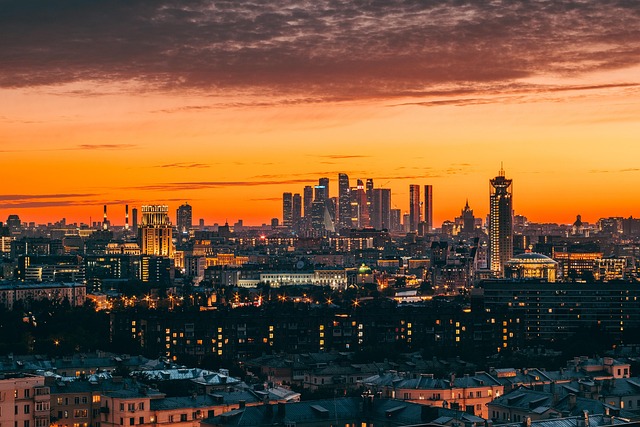
The migration towards downtown cores is a significant trend shaping urban landscapes globally. This phenomenon, driven by changing lifestyles and economic factors, presents a unique opportunity for real estate to play a pivotal role in revitalizing city centers. As urban dwellers seek vibrant, walkable communities with easy access to amenities, downtown areas are experiencing a renaissance. Real estate developers and investors have a crucial part to play in facilitating this transformation.
One of the key strategies is embracing mixed-use developments that seamlessly blend residential, commercial, and retail spaces. For instance, successful revitalizations like New York City’s SoHo district demonstrate how diverse real estate offerings can attract a diverse demographic. This approach not only increases foot traffic but also fosters a sense of community, integral to any thriving downtown core. Additionally, integrating green spaces and promoting sustainable design principles enhance the appeal of these urban areas. Cities like Chicago have seen substantial growth in their central business districts due to developers’ focus on creating eco-friendly environments.
Expert insights suggest that public-private partnerships are essential for driving this revitalization process. Collaborative efforts can lead to the restoration of historic buildings, infrastructure upgrades, and community engagement initiatives. For example, the transformation of Philadelphia’s Center City involved extensive renovations, cultural venue placements, and strategic marketing campaigns, resulting in a significant boost in population and economic activity. Real estate professionals should actively engage with local governments and community leaders to identify needs and tailor solutions that drive sustainable growth. By recognizing the potential of downtown cores and employing innovative real estate strategies, cities can create thriving, resilient urban hubs.
Understanding Core Attraction: Factors Shaping Cities
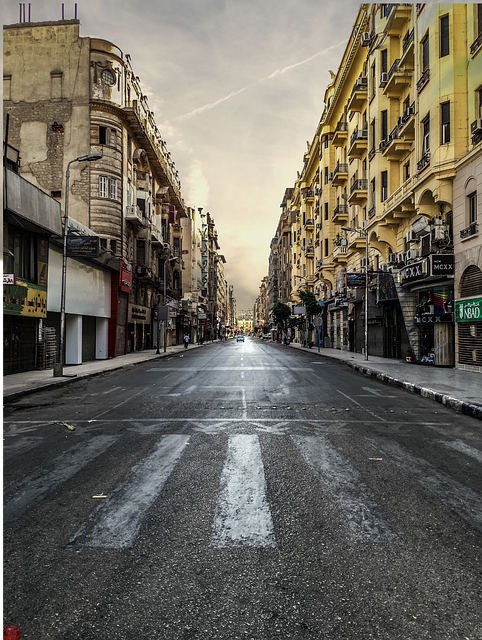
Cities across the globe are experiencing a significant migration trend toward their downtown cores. This phenomenon is reshaping urban landscapes, with implications for various sectors including real estate. Understanding the factors that attract people to these central areas is crucial for informed decision-making and strategic planning. Key drivers include access to public transportation, vibrant cultural offerings, and high-quality employment opportunities—all elements that create a desirable and dynamic urban environment. For instance, cities like New York and Berlin have seen substantial growth in their core districts due to extensive subway systems and diverse cultural scenes, respectively.
Real estate naturally plays a pivotal role in this narrative. Properties located in downtown areas often command premium prices due to high demand from residents seeking convenience and a centralized lifestyle. Developers are responding by investing in mixed-use projects that blend residential, commercial, and retail spaces. This integrated approach not only enhances urban livability but also promotes economic vitality. Data from recent studies indicates that walkable neighborhoods with diverse real estate options can lead to increased foot traffic, boosting local businesses and community engagement.
Experts suggest that future-proofing cities involves prioritizing infrastructure upgrades and sustainable development practices to cater to evolving needs. By focusing on green spaces, pedestrian-friendly design, and innovative transportation solutions, urban planners can create cores that are not only attractive but also resilient. For real estate professionals, staying abreast of these trends is essential for capitalizing on emerging opportunities while ensuring that developments align with the core values that draw people to downtown areas.