Global urban migration towards downtown cores, driven by socio-economic and environmental factors, is reshaping landscapes. Real estate dynamics evolve with mixed-use developments, sustainable properties, and walkable areas gaining premium value. Successful revitalization requires community engagement, inclusivity, and integrating residential, commercial, and cultural spaces. Planners should focus on walkability, green spaces, and technology for urban mobility. Investors can capitalize on growing urban core appeal through strategic investments in underutilized properties.
In recent years, a significant shift has occurred as individuals and businesses alike migrate toward downtown cores. This phenomenon is reshaping urban landscapes, transforming once stagnant areas into vibrant hubs of activity. However, the rapid growth in downtown populations presents challenges related to infrastructure, real estate development, and community services. Understanding this migration pattern is crucial for urban planners, developers, and investors seeking to create sustainable, livable cities. This article delves into the drivers behind this trend, examines its impact on local markets, and offers insights into strategic solutions that can ensure these areas continue to thrive.
Analyzing Urban Migration Patterns
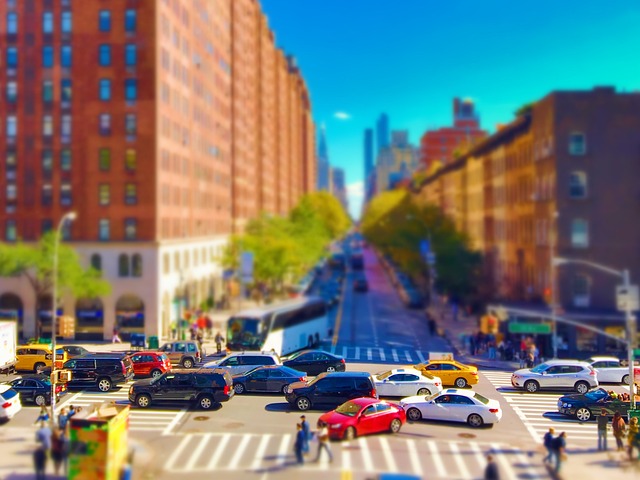
Urban migration patterns have emerged as a key indicator of the evolving urban landscape. The migration towards downtown cores is a significant trend, with cities worldwide witnessing a steady influx of residents seeking urban living. This shift is not merely a demographic change; it presents a complex interplay of socio-economic, cultural, and environmental factors. As urban populations grow, understanding these migration patterns becomes crucial for both city planners and real estate professionals.
Analyzing these trends reveals a diverse range of motivations. Young professionals are increasingly drawn to the vibrancy and accessibility of downtown areas, with robust job markets and a concentration of cultural amenities. For example, a recent study shows that major metropolitan centers like New York and Los Angeles have experienced a surge in young adult migration, with many relocating for better career prospects and a more dynamic lifestyle. In contrast, older residents may be attracted by the convenience of urban living, closer access to healthcare, and a sense of community. This dual appeal has significant implications for real estate development, suggesting a need for diverse housing options catering to various age groups and lifestyles.
Data from the US Census Bureau highlights that between 2000 and 2020, urban areas within 50 miles of a city center experienced a 7% population growth, outpacing suburban and rural regions. This trend is not unique to the United States; global cities like Tokyo, London, and Paris have also witnessed similar migration patterns. Planners and developers must adapt to these shifts by creating mixed-use neighborhoods that blend residential, commercial, and recreational spaces, ensuring a sustainable and inclusive urban environment. Real estate investors can strategically capitalize on this trend by identifying up-and-coming downtown areas, anticipating future demand, and offering tailored properties to meet the evolving needs of urban migrants.
Understanding Downtown Real Estate Dynamics
The migration of populations toward downtown cores is a significant trend reshaping urban landscapes. This shift, driven by changing lifestyles and economic opportunities, presents unique dynamics within the real estate market. Downtown areas, once characterized by high-rise offices and desolate nights, are evolving into vibrant hubs where residents seek proximity to amenities, cultural attractions, and public transportation. Understanding these real estate dynamics is crucial for investors, developers, and urban planners aiming to capitalize on this trend while fostering sustainable growth.
One notable aspect is the transformation of underutilized spaces into mixed-use developments. Former industrial sites and forgotten corners are being reinvented as residential lofts, co-working spaces, and experiential retail destinations. For instance, the conversion of old warehouses into trendy apartment complexes in cities like New York and Los Angeles has attracted a younger, tech-savvy demographic, revitalizing these areas with a fusion of culture and technology. This trend highlights the adaptability of real estate naturally accommodating shifting consumer preferences.
Additionally, downtown cores are experiencing heightened demand for sustainable and smartly designed properties. Eco-conscious buyers and renters are willing to pay premium prices for energy-efficient buildings featuring green spaces and innovative technologies. According to recent studies, urban centers with robust public transportation systems and walkable infrastructure have seen a 20% increase in real estate values over the past decade. As cities strive to reduce carbon footprints, developers are incorporating smart city solutions into their projects, ensuring downtown areas remain desirable and future-proof.
Strategies for Effective Core Revitalization
The migration toward downtown cores is a significant trend reshaping urban landscapes. This phenomenon, driven by changing lifestyles and economic dynamics, presents a unique opportunity for effective core revitalization. Successful strategies must balance the needs of diverse populations while leveraging local assets. One key approach involves engaging the community to understand their aspirations and challenges, ensuring that development efforts are inclusive and sustainable.
For instance, cities like Austin, Texas, have witnessed substantial growth in their downtown areas, partly due to a focus on mixed-use developments that cater to residents, workers, and visitors alike. By integrating residential spaces with commercial and cultural amenities, these cores create vibrant 24/7 ecosystems, enhancing quality of life and fostering economic vitality. Real estate naturally plays a pivotal role in this transformation; strategic investments in underutilized properties can unlock potential, attract businesses, and stimulate local economies.
Data from the U.S. Census Bureau reveals that urban cores are regaining their allure, with population density increasing in many downtown areas. This trend underscores the demand for thoughtfully designed spaces that cater to modern lifestyles. Expert perspectives emphasize the importance of public-private partnerships to fund and implement revitalization projects, ensuring community buy-in and long-term viability. Additionally, leveraging technology to enhance urban mobility and accessibility can further bolster core appeal, making these areas more attractive and functional for residents and visitors alike.
Practical advice for cities aiming to revitalize their cores includes conducting comprehensive needs assessments, engaging in open dialogue with stakeholders, and adopting flexible planning frameworks that adapt to evolving circumstances. By prioritizing walkability, green spaces, and cultural amenities while thoughtfully integrating real estate developments, urban cores can become thriving hubs of activity, fostering a sense of community and belonging.